African black soap (also called African soap or black soap) is the latest skin care product to reach “holy grail” status, and for good reason. Have you heard about the skin care benefits of African black soap? This recently trending ‘must-have’ for your skin care routine has a history of use that goes back quite some time.
African black soap is a traditional, plant-based soap from West Africa. So while some may swear by its ability to cleanse and nourish many different skin types, you may be wondering - is it worth the hype? Dermatologist Alok Vij, MD, breaks down the benefits of African black soap and the right way to use it.
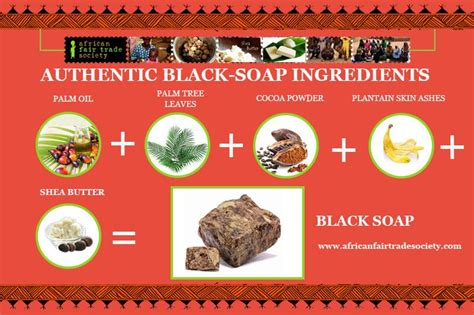
African black soap has been used for centuries in West Africa to cleanse and moisturize the skin. It is a natural soap made from plantain skins, cocoa pods, palm tree leaves, and shea butter. African black soap is known for its many benefits, including its ability to help oily skin.
Here’s what you need to know about this skincare favorite and how you can add it to your routine.
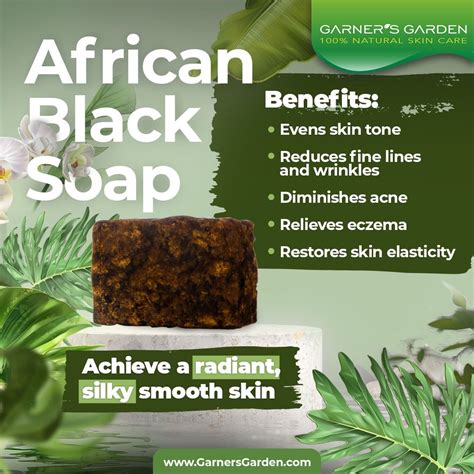
What is African Black Soap?
African black soap was first produced in West Africa centuries ago. Today, its exact ingredients depend on where it is made. Generally, African black soap doesn’t contain lye (a common soap component). It’s usually unscented without dyes or other additives.
Read also: Experience Fad's Fine African Cuisine
Most African black soaps contain one or more of these ingredients:
- Cocoa pod ash, cocoa powder or cocoa butter.
- Coconut oil.
- Palm kernel oil and palm oil.
- Plantain skin ash, leaves or bark.
- Shea butter.
Some African black soaps include honey, aloe vera, lime or camwood (a central West African tree) to enhance their ability to heal, protect and moisturize your skin. Others contain essential oils or oatmeal. Check labels for specific information, especially if you have allergies to skin care products.
Benefits of African Black Soap
With natural antibacterial and exfoliating properties, African black soap acts gently to improve skin texture and tone. The soap also reduces inflammation and may help treat some signs of aging like dark spots or wrinkles. You can use African black soap on your face, hands, body - even your hair.
“African black soap has been around for ages, but we’re learning more and more how powerful and effective this cleanser can be,” says Dr. Vij. “Used properly, it can help protect your skin and may treat a variety of common skin conditions, from dandruff to acne.”
AFRICAN BLACK SOAP DOCTOR V| Best and worst for brown/dark skin| REVIEW | Dudu Osun review
Dr. Vij cites potential benefits of African black soap for your skin:
Read also: The Story Behind Cachapas
- Removes Bacteria: Natural antibacterial properties make African black soap an excellent alternative to chemical-laden cleansers. In fact, it may actually remove more bacteria than chemical cleansers do.
- Deep Cleans Your Skin: African black soap can offer a deeper clean due to its exfoliant properties. This may help ensure you remove all the makeup from your skin. It can provide much-needed moisture after you have cleansed your skin.
- Exfoliates to Help Improve Skin Texture and Tone: African black soap is much less smooth than other soaps, due to the ashes used to produce the soap, so it works as a natural exfoliant, removing dead skin cells before they clog pores and hair follicles.
- Reduces or Prevents Razor Burn: If you’re used to having irritated skin or razor bumps after you shave, you may want to give African black soap a try. The oil and butter in African black soap may help soothe skin to prevent the aftereffects of razor burn.
- Helps with Mild Skin Rashes: Some people use African black soap to improve rashes caused by eczema and other types of dermatitis, psoriasis and skin allergies.
- Treats Fungus: Some research suggests African black soap may help control skin fungus, including a yeast called Candida albicans. That means you may be able to use it to treat conditions like athlete’s foot and toenail fungus. The soap also may help control dandruff caused by fungus.
- Moisturizes Without Stripping Essential Oils: African black soap’s multiple ingredients help strike a balance - shea butter adds moisture to your skin while coconut oil prevents excess oiliness. These oils and fats lock in moisture but wash off well with water, so you’re not left with a buildup that can clog pores.
- May Reduce the Appearance of Wrinkles and Fine Lines: Research is needed to know whether African black soap can reduce the visible effects of aging. Shea butter and coconut oil may help plump up wrinkles and fine lines by slowing the loss of collagen, a fiber-like protein that helps make our tissues strong. Exfoliation can also make fine lines less visible.
- Protects Against Oxidative Stress: Exposure to air pollution, UV radiation from the sun, skin care products and cosmetics affect your skin every day. You can see some of these changes with the naked eye - like dark spots or wrinkles. Others, such as free radical damage to skin cells, are invisible. Antioxidants in African black soap may help protect your skin from these effects and help discoloration fade.
- Reduces Inflammation: Rich in vitamins A and E, African black soap’s antioxidants help shield your skin against inflammation and free radicals that damage skin cells. You may find this helpful for inflammatory skin conditions like rosacea.
- Treats Acne: African black soap may improve acne and balance the natural oils in your skin.
- Treats Dandruff: Yes! You can shampoo with African black soap, too. It may even help treat dandruff, thanks to its moisturizing ingredients.
African Black Soap for Oily Skin
Oily skin is caused by overactive sebaceous glands that produce too much oil, causing the skin to look shiny and feel greasy. This excess oil can lead to clogged pores and acne breakouts. African black soap helps oily skin by regulating the production of sebum, the oil produced by the sebaceous glands.
African black soap contains several natural ingredients that help to regulate oil production. Plantain skins and cocoa pods contain antioxidants that help to reduce inflammation and soothe the skin. Palm tree leaves contain vitamin A, which helps to regulate oil production and promote healthy skin cell growth. Shea butter is a natural moisturizer that helps to hydrate the skin without clogging pores.
When used regularly, African black soap can help to balance the skin's natural oils, making it an excellent choice for those with oily skin. It is important to note that African black soap can be drying, so it is essential to follow up with a moisturizer after using it. Additionally, those with sensitive skin may want to patch test African black soap before using it on their face.
How to Use African Black Soap
It may take some getting used to, but soon, African black soap could become a favorite part of your self-care regimen. First, try a little bit on a small area of your body (patch test), especially if you have dry or sensitive skin. For extra moisturizing, if your skin feels tight after cleansing, choose a black soap that contains shea butter. You can also try adding honey to your soap. Remember, a little goes a long way. Using too much African black soap can dry out or irritate your skin.
You may find it best to use this soap only two to three times a week, switching it up with a gentler cleanser on the other days. Dr. Vij offers these extra tips:
Read also: Techniques of African Jewellery
- Cut or pull a small portion of soap off the bar or dissolve it in water, so it’s smoother and gentler to use.
- Lather the soap into your hands before applying to your face, body or hair.
- Massage it into your skin with your hands or a washcloth for about 90 seconds in circular motions.
- Rinse off completely.
- Apply moisturizer and hair conditioner.
Potential Side Effects and Precautions
Although African black soap can work well for all skin types, using it correctly is key to preventing unnecessary side effects. Some people find black soap to be drying. You may be able to reduce your risk for this by adding a teaspoon of raw honey to your soap mixture.
If you’re new to raw black soap, consider using it once every couple of days to start. You can gradually increase your use as your skin gets used to the soap. It’s possible to be allergic to any soap. If your skin becomes irritated or you develop a rash, discontinue use.
Natural black soap is also rough, so it can irritate or even break your skin if you’re not careful. Stinging and burning are also possible. If you’re using a raw block of soap, use gentle, circular motions as you glide it along your skin.
The best way to prevent skin breakage is to smooth out the soap and combine it with water, or use it with a washcloth.
Types of African Black Soap
As the demand for African black soap has boomed, so has the variety of soaps available. Some are traditional, others more processed. And you have a wide selection of natural ingredients to choose from.
The real thing - authentic African black soap - is handmade with a dark gray or brown color and an uneven surface. It’s softer than commercial (machine-made) soaps, so its edges may slightly crumble. When it comes to this unique soap, imperfection is a good sign.
Here’s a quick guide summarizing the key aspects of African Black Soap:
| Feature | Description |
|---|---|
| Origin | West Africa, particularly Ghana |
| Ingredients | Ash from plantains, cocoa pods, palm tree leaves, shea tree bark; coconut, palm, and shea butter |
| Benefits | Gentle cleansing, antibacterial, exfoliating, moisturizing, helps with acne and oily skin |
| Usage | Lather with water, apply gently, rinse thoroughly, follow with moisturizer |
| Precautions | May cause dryness or irritation; perform a patch test before regular use |
