Christmas, a holiday celebrated worldwide, holds a special place in the African American community. It is a time of joyous celebration, intertwined with historical roots, spiritual resilience, and unique cultural traditions. This article explores the rich tapestry of African American Christmas traditions, from their origins to contemporary expressions.
Christmas Eve at a Church of God in Christ service
Historical Context: Christmas During Slavery
During the era of legal slavery in the United States, most enslaved people enjoyed a brief respite at Christmas. Their holidays often included celebratory meals, music, and dancing, sometimes in company with their White neighbors. This seasonal liberty also generated great anxiety.
Slaveowners dreaded Yuletide acts of resistance against their authority, while enslaved people feared violent rebukes of their festive joy. Although it is difficult to draw generalizations about the Christmas experiences of millions of enslaved Americans over multiple generations, they certainly contrasted with those enjoyed by their free neighbors, White and Black.
There was no blanket uniformity of holiday practices across the Southern slaveholding states, but there was a large measure of similarity and continuity within that broad landscape. Numerous documentary sources from the eighteenth and nineteenth centuries confirm that most enslaved Americans enjoyed a brief respite from hard labor during the Christmas season. Some slaveowners allowed their chattel servants a day of rest, while others suspended the normal routine of work for the entire week between Christmas and New Year’s Day.
Read also: Experience Fad's Fine African Cuisine
This brief holiday respite was not entirely free of obligations, however. Across the American South, laborers enslaved and free were still obliged to perform a number of routine chores at Christmas. Farm animals had to be fed and tended, for example; fresh water had to be drawn from wells and toted indoors; ashes collected from fireplaces and discarded; chamber pots emptied; firewood stacked and fires stoked; coal shoveled; animals butchered; victuals prepared; meals served; babies nursed, and so on.
In most parts of the Old South (South Carolina included), enslaved people who worked without pay during the year could earn cash at Christmas. While their normal duties were suspended, they generally received wages for extra work during their holiday “free time.” This voluntary practice functioned both as a seasonal reward to the industrious and as a measure of control.
The relaxation of normal protocol at Christmas also allowed many enslaved people to travel beyond their plantation or household. After gaining a written ticket from their owner, an enslaved person might walk, ride, or paddle to visit a family member residing on a nearby plantation or in a neighboring community.
The details of such events varied widely, of course, from plantation to plantation in the country and from house to house in urban centers. This merriment coincided with religious celebrations of the anniversary of the birth of Jesus, but their mirth did not necessarily flow from spiritual fervor.
Not everyone viewed such festivities in a positive light, however. Some reports dating from the eighteenth century describe holiday celebrations among the enslaved population as riotous disruptions. As anti-slavery sentiment grew stronger in the Northern states during the second quarter of the nineteenth century, Southern defenders of the institution began describing boisterous Christmas festivities as an example of slavery’s benign nature.
Read also: The Story Behind Cachapas
To this end, many slaveowners transformed mundane transactions into spectacles choreographed to highlight their paternalistic generosity. Fresh meat, for example, was not part of the regular diet afforded to enslaved people, although their meagre rations might include salt-cured meat and fish during the year. Similarly, enslaved people generally received one suit of clothing each year.
On many plantations, the annual distribution of new clothes and shoes became a solemn Christmas ceremony designed to underscore the dependence of the enslaved people on their owner’s bounty. Enslaved people in South Carolina might have appeared happy at Christmas, especially in the presence of those who kept them in bondage, but they could scarcely forget the daily threats of corporal punishment and family separation that abridged their liberty.
The temporary relaxation of normal rules at Christmas provided some enslaved people across the South with the opportunity to flee. The relative freedom of the brief Christmas holiday also engendered anxiety on both sides of the color line.
For the people of African descent living in bondage on rural plantations or in urban households, Christmas was a season of both joy and fear. Most twentieth-century celebrations of “plantation Christmas,” in Charleston County and across the South, depicted a genteel and luxurious holiday conjured through a romanticized retrospective interpretation of the “Old South.”
Such events either minimized or ignored the contrasting experiences endured by the enslaved people who once dominated the plantation landscape. The decline of glamorous “plantation Christmas” events in the twenty-first century is not an example of re-writing history, as some commentors might argue.
Read also: Techniques of African Jewellery

"Gathering Christmas Evergreens" by Alice Barber
Christmas Celebrations in Early 19th-Century Delaware
Christmas celebrations among free and enslaved Black communities in early 19th-century Delaware highlighted the stark contrast between their experiences of freedom and bondage. This divide was especially noticeable due to the independent Black churches that were becoming central to the cultural and religious lives of free African Americans.
For free Black communities, Christmas was a time of joy, cultural pride, and remembrance. Church leaders would organize religious services, social gatherings, feasts, and other activities, likely similar to events such as the August Quarterly festival started by Peter Spencer. These gatherings carried deep meaning. They were an acknowledgement of hard-won freedoms, a chance to express cultural identity, and an opportunity to strengthen community bonds. They also stood as reminders of the ongoing fight for equality and the suffering of those still enslaved.
The independent Black churches that emerged during this time likely provided the main communal setting for Christmas celebrations, offering a space where free Blacks could fully express their faith, culture, and joy during the holiday season. These churches became much more than places of worship. They represented a form of resistance to enslavement and segregation, providing leadership and self-expression opportunities that were rare elsewhere.
In contrast, enslaved individuals experienced Christmas very differently. Slave owners controlled their celebrations, although some enslaved individuals were given small concessions during the holidays. The differences between free and enslaved Christmas experiences reflected the broader struggle for freedom that defined African American life at the time.
For some enslaved individuals in Delaware, Christmas held a different significance beyond these limited material concessions. Christmas was often a time when slaveholders felt their conscience stir, leading to acts of manumission. This practice imbued Christmas with an additional layer of meaning and hope for enslaved people in the First State. The holiday represented not just a brief respite from labor or small material gifts, but the potential for freedom itself.
Christmas presented opportunities for enslaved individuals to seize their own freedom, beyond the possibility of manumission. The relaxed atmosphere and increased movement during Christmas celebrations provided ideal conditions for those seeking freedom.
Family structures among enslaved people in Delaware shaped their Christmas experiences. Their study shows a variety of family compositions that directly influenced holiday celebrations, reflecting the complex social dynamics of enslaved communities.
Many enslaved children began working as early as five or six, making Christmas one of the few times they could enjoy childhood activities or rest. The holiday was significant as a rare break from the grueling work routines. These family structures and labor realities deeply influenced Christmas for enslaved people in Delaware.
Christmas gatherings, however modest, reinforced family bonds and cultural expression, offering brief moments of respite. Despite overwhelming challenges, enslaved individuals found ways to imbue the season with meaning and preserve family traditions.
The holiday season brought one additional increased risk for free Blacks with bounty hunter operations constantly casting a shadow over holiday celebrations. Christmas highlighted the stark differences between free and enslaved statuses, while also offering hope for those still in bondage.
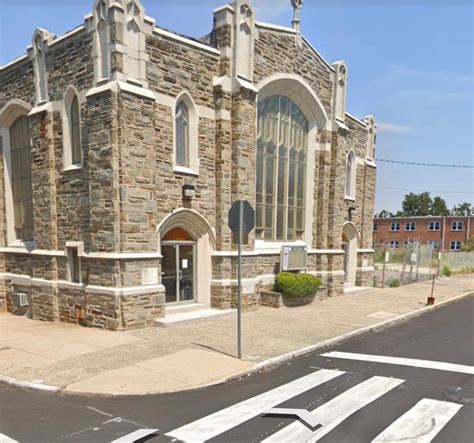
Mt. Olive African Methodist Episcopal Church in Little Heaven (Kent County)
Contemporary African American Christmas Traditions
Today, Black families celebrate Christmas with a unique blend of traditions, reflecting their rich heritage and cultural identity. The holiday season is a time for family, community, and celebration, with traditions passed down through generations.
When it comes to Black Christmas, the holiday begins much later than the traditional Caucasian season. The white Christmas season begins immediately after the Dallas Cowboys lose on Thanksgiving Day. This is not to say that black people don’t wade into the Black Friday morass, because as a culture, we have been taught to value a good sale. But the reason black people always win the Walmart kickboxing matches over dirt-cheap flat-screen televisions is partly that-unlike our unseasoned shopping counterparts-we aren’t purchasing those presents for our loved ones. That’s our 47-inch plasma! Black Christmas shoppers purchase most of their gifts during a little-known holiday called “Christmas-Bonus Paycheck Day.” This is when we start decking the halls with boughs of Holly, because this is when the true Christmas season begins.
While you might think it is a shame that black people celebrate Noel on C.P. Time, you should also be aware that the Black Christmas season traditionally extends past Christmas Day. This, again, is because of sale-related issues.
Black Christmas is a very present-centric holiday. After all, logic would dictate that the best way to commemorate the birth of a child sent to teach the world that joy, peace and happiness are found within is through the receiving of presents.
The gift-giving part of Black Christmas lasts until well after Dec. 25. Most black children expect to unwrap the lesser presents on Christmas morning, but the real gifts come when their parents hit the after-Christmas sales.
Santa Claus is one of the hallmarks of white Christmas. White kids believe in old St. Nick until they are 22 or 23 years old. Black children, on the other hand, have about 16-17 minutes of wondrous folly before they realize that the idea of a benevolent white man bringing joy to their lives is highly questionable.
There are no Black Christmas carols. We have Christmas songs. Many of them are simply remixes that put some funk in songs that white people already made because we don’t understand the white carols anyway. Seventy-three percent of black children spent most of their childhoods believing that the seminal song of white Christmas was entitled “Jing-o Bells.” We have no idea who “Hawk the Harold” is, how he became an angel, or why he’s only singing glory to one of Jay-Z and Beyoncé’s twins. (Shouldn’t it be “glory to the newborn king and queen?”).
Our Christmas carols often have nothing to do with Jesus. Most of them are about the need for sex and companionship on this glorious day. When all I want for Christmas is you, we soon realize that Christmas just ain’t Christmas without the one you love. After all, what do the lonely do at Christmas? These are the pertinent questions. These songs, however, are just warnings of what can happen if you forget to shake a hand and make a friend.
As noted in the Caucasian’s Guide to Black Thanksgiving, all holiday dinners are just lesser versions of black cookouts. The Christmas meal is basically the identical menu from Black Thanksgiving with ham replacing the turkey. Don’t get me wrong-there can be a turkey at Christmas, but it is not the Beyoncé of the holiday-food lineup. It is more of a Ciara-like side dish.
Unlike white Christmas, Black Christmas doesn’t include fruitcake or rum cake. Black Christmas is more pie-centric. The sweet potato pie is the headliner, but it is not an after-dinner dessert. It is usually placed on the counter and eaten before, during and after the holidays.
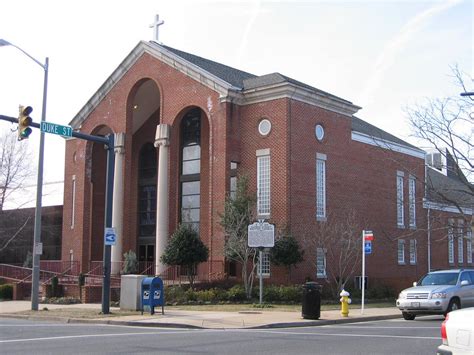
Watch Night service at the Alfred Street Baptist Church in Alexandria, Virginia
Key Traditions
- Kwanzaa: An annual celebration of African culture from December 26 to January 1, emphasizing unity, self-determination, and collective responsibility.
- Soul Food: A cornerstone of Black holiday gatherings, featuring dishes like fried chicken, collard greens, cornbread, sweet potato pie, and mac and cheese.
- Watch Night Services: Church services on New Year’s Eve, originating in 1862 when enslaved Africans awaited the Emancipation Proclamation’s signing.
- Caroling and Holiday Parties: Gatherings filled with music, dancing, and games, expressing joy and solidarity.
- The "Big Reveal": A dramatic exchange of gifts, showcasing the best presents.
- Black-Eyed Peas on New Year’s Day: A dish symbolizing abundance and prosperity for the year ahead, often accompanied by collard greens.
- First Footing: The tradition where the first person to enter a home after midnight on New Year’s Eve brings luck and prosperity.
- Memorial Day: An opportunity to honor and remember the contributions of Black veterans.
- Juneteenth: Celebrated on June 19, marking the day in 1865 when enslaved people in Texas finally received news of their emancipation.
Table: Key African American Holiday Traditions
| Holiday | Significance | Common Traditions |
|---|---|---|
| Kwanzaa | Celebration of African culture and values | Lighting of the Mishumaa Saba, discussions about the Nguzo Saba |
| Christmas | Celebration of the birth of Jesus, family gatherings | Soul food meals, caroling, gift exchanges |
| Watch Night | Remembrance of the Emancipation Proclamation | Church services on New Year's Eve |
| Juneteenth | Celebration of emancipation from slavery | Family reunions, barbecues, parades |
These traditions, whether rooted in historical struggles or contemporary expressions of culture, contribute to the vibrant and meaningful celebration of Christmas within the African American community. The holiday season is a time for family, reflection, and the reaffirmation of cultural identity.
