For years, many readers have sought classic novels written by and about African Americans. While autobiographies, nonfiction essays, and poetry by black authors are relatively well-known, classic novels have remained frustratingly obscure.
This article aims to introduce readers to some of the best novels written by African-American authors in the last two hundred years. These authors drew on the Western canon of literature and added their own unique stories, celebrating a vibrant culture and its roots across the millennia.
These novels, often overlooked, offer profound insights into the African-American experience, exploring themes of love, identity, and the struggles against racism and discrimination. They provide a nuanced portrayal of blacks and whites and the effects of racism.
Understanding the African American experience is not just about learning about suffering, it's also about celebrating a vibrant culture and its roots across the millennia. June 19th, or 'Juneteenth,' is a holiday commemorating the final end of slavery in the United States.
Here is a curated list of classic African-American novels from the nineteenth and twentieth centuries, focusing on books at least fifty years old to highlight those that are not as well-known.
Read also: Experience Fad's Fine African Cuisine
Classic Novels by Black Authors
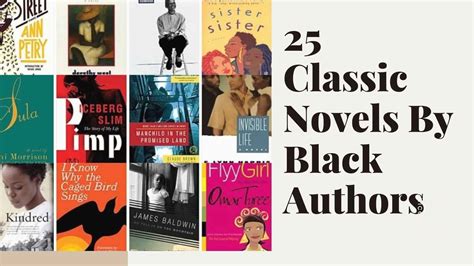
Discover timeless stories that reflect the nation’s history and culture. These novels delve into themes of love, identity, and social justice, offering a rich tapestry of the African-American experience.
Clotel, or The President’s Daughter by William Wells Brown (1853)
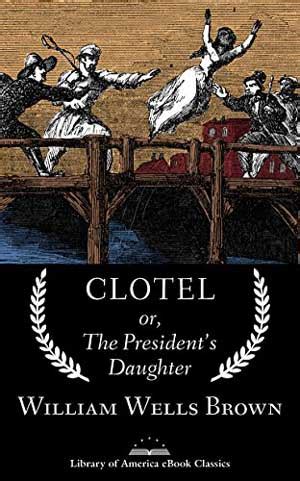
Clotel holds the distinction of being the first novel published by an African-American. William Wells Brown, an American abolitionist and former slave, published it while living in London. This historical fiction novel is set in the early 1800s, and the title character is the mixed-race daughter of Thomas Jefferson. The novel follows multiple character arcs, including Clotel, her sister Althesa, and their mother Currer. After Jefferson's death, the women are separated and face various trials.
Brown weaves fictional narrative with primary source material, using newspaper articles, eye-witness accounts, and poetry to create a picture of life for enslaved black people in the 1800s, and to call for sympathy and action on the part of abolitionists. It was his only novel.
Read also: The Story Behind Cachapas
Read Clotel free online | Find Clotel on Amazon
Our Nig by Harriet E. Wilson (1859)
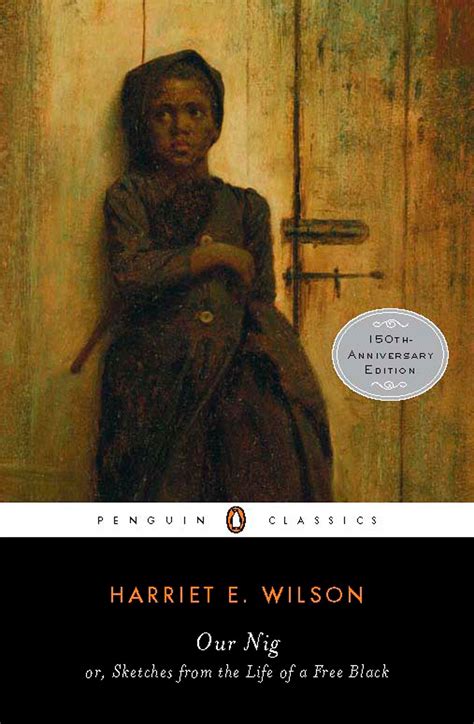
Published in Boston in 1859, Our Nig is often cited as the first African-American novel published in the United States. Harriet E. Wilson, born a free person of color, wrote it anonymously to support her young son. The book criticizes the treatment of black people in the North, which may have contributed to its initial lack of sales.
Based on Wilson’s life, Our Nig tells the story of Frado, a mixed-race girl indentured to a white family. She faces both allies and tyrants in her new life. Wilson’s son passed away shortly after the book’s publication, and Our Nig slipped into obscurity until it was rediscovered in 1982.
Read Our Nig free online | Find it on Amazon
Read also: Techniques of African Jewellery
The Bondwoman’s Narrative by Hannah Crafts (written between 1853 and 1861, published 2002)
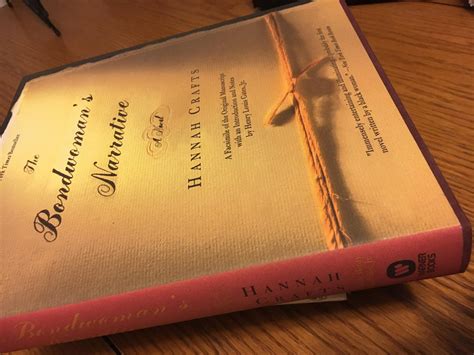
The story behind The Bondwoman’s Narrative is fascinating. The manuscript was never published until 2002, after meticulous research by Harvard professor Henry Louis Gates, Jr. Hannah Crafts, an enslaved black woman who escaped from a plantation in North Carolina, wrote the novel. Working as a lady’s maid, she read extensively from the Wheeler’s library, drawing inspiration from works like Brontë’s Jane Eyre and Dickens’s Bleak House.
The novel is an exciting story laced with gothic elements like family secrets, insanity, daring escapes, and gloomy forests. Although the novel parallels Craft’s own life (the heroine Hannah longs to escape from her plantation), it is clearly not an autobiography. This makes The Bondwoman’s Narrative unprecedented in African-American literature-while there are a number of existing slave narratives, Craft’s book is the only known novel written by a fugitive slave.
Borrow The Bondwoman’s Narrative online | Find it on Amazon
The Garies and Their Friends by Frank J. Webb (1857)
This antebellum novel centers around the Garie family, made up of white plantation owner Clarence, his common-law mulatto wife Emily, and their two children. Concerned for their children’s future, they leave their home in Georgia and relocate to Philadelphia. In the North, their lives intersect with the Ellis family, working-class free blacks who help the Garies settle in to their new neighborhood. Despite their new friends, the Garies are also surprised at the discrimination they encounter, and face physical violence when a nefarious plot stirs up rioting in the city. As the novel progresses, the narrative shifts to follow the lives of the younger generation of Garie and Ellis children. If you’re a fan of Victorian-era novels but want something off the beaten path, you’ll love this one with its plot twists and unusual premise.
Frank J. Webb was the grandson of Aaron Burr! The Garies was his only novel, but he also wrote poetry, essays, and two novellas which are collected in this volume.
Read The Garies and Their Friends free online | Find it on Amazon
Iola Leroy by Frances Ellen Watkins Harper (1892)
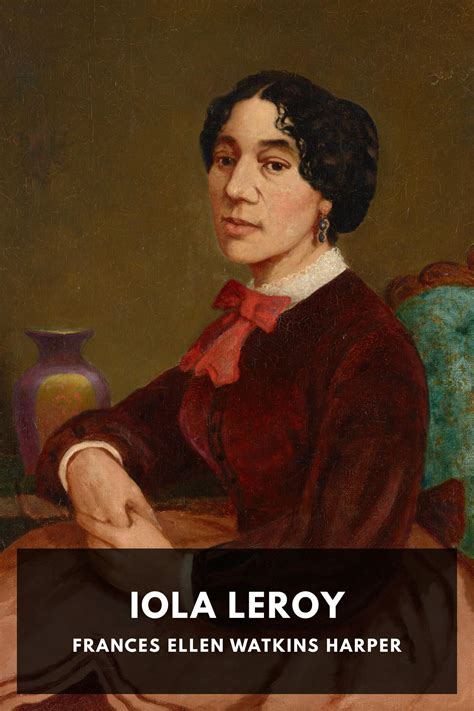
Frances Ellen Watkins Harper was an influential speaker, poet, and essayist who championed abolition, temperance, and women’s suffrage. Iola Leroy follows the fortunes of mixed-race Iola Leroy and her family during the Civil War and Reconstruction era. The story explores their attempts to reunite in the wake of the war.
Iola Leroy is a novel that manages to be somber, humorous, and cozy by turns. The tone and style reminded me of the Elsie Dinsmore series, with a Margaret Hale-type heroine in Iola. The novel has its faults: sometimes the dialogue is too-obviously a medium for arguing a viewpoint. The storytelling is simple, yet Iola Leroy is a wonderfully immersive story with a nuanced portrayal of blacks, whites, and the effects of racism.
Read Iola Leroy free online | Find it on Amazon
Contending Forces by Pauline Hopkins (1900)
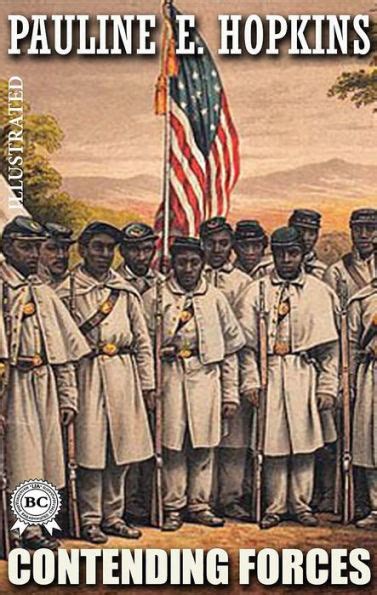
Pauline Hopkins was a prolific writer who authored numerous short stories, nonfiction essays, a musical play, and four novels. Contending Forces is a historical romance novel set before and after the Civil War. It tells the inter-generational story of a mixed-race family who face obstacles as they seek to make their way in the world and find true love.
Hopkins wrote the novel for the purpose of racial uplift for her people, with both black and white audiences in mind. She says in the introduction: “[I]t is the simple, homely tale, unassumingly told, which cements the bond of brotherhood among all classes and all complexions. Fiction is of great value to any people as a preserver of manners and customs - religious, political and social. It is a record of growth and development from generation to generation.”
Read Contending Forces free online | Find it on Amazon
The House Behind the Cedars by Charles W. Chestnutt (1900)
Chestnutt drew on the theme of race politics among Saxons, Normans, and Jews in Walter Scott’s Ivanhoe as inspiration for The House Behind the Cedars. The novel explores the shifting social fabric in the post-Civil War Carolinas, dealing with issues of intermarriage, passing, and class relations.
Charles Chestnutt himself was “seven-eighths white” but identified as black, and pursued careers in teaching and law as well as writing.
Read The House Behind the Cedars free online | Find it on Amazon
The Autobiography of an Ex-Colored Man by James Weldon Johnson (1912)
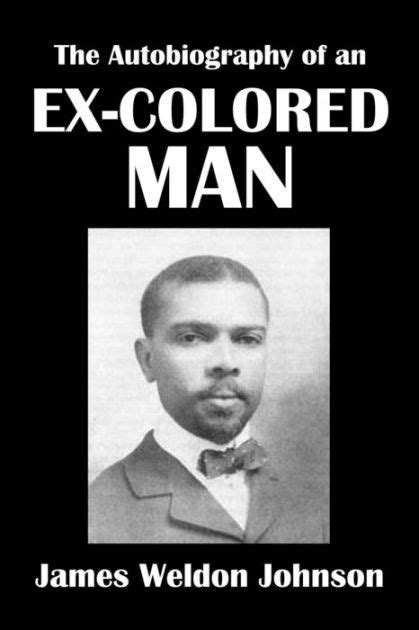
Despite the title, The Autobiography of an Ex-Colored Man is a novel. The narrator, whose name is never given, reveals his "great secret" - that he is black. The story describes his life among various class strata in the black community, a stint in Paris, and his decision to pass as white after witnessing a horrific event.
Johnson drafted the book while he was serving as a diplomat in Nicaragua under Theodore Roosevelt’s administration. He initially published the book anonymously so as not to damage his career, but took ownership for the novel in 1927 as the Harlem Renaissance was flourishing.
There is Confusion by Jessie Redmon Fauset (1924)
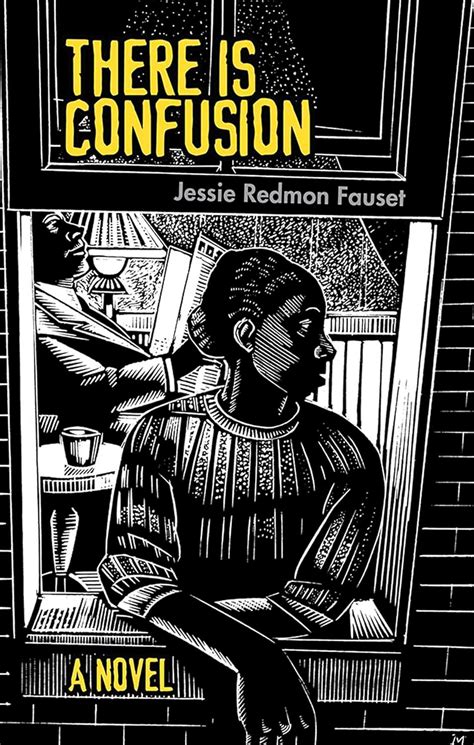
Set in Philadelphia and New York, There is Confusion is a "novel of manners" centering around three childhood friends as they grow up and follow their ambitions as young African-American adults. Beautiful Maggie hopes to escape her middle-class background by marrying up, Joanna is a talented dancer bent on success, and Peter hopes to use his cleverness to become a surgeon (and marry Joanna). Jessie Redmon Fauset was already known as the literary editor of The Crisis, helping to promote emerging Harlem Renaissance writers like Langston Hughes.
Publication of her debut novel There is Confusion added to her reputation, prompting one critic to call Fauset “the potential Jane Austen of Negro literature.”
Passing by Nella Larsen (1929)
Passing recounts the reunion of two childhood friends who have taken different paths. Clare passes as a white woman, marrying a wealthy, bigoted white man, while Irene identifies as black and is married to a black doctor. As their friendship rekindles, the fragile nature of their constructed worlds becomes apparent.
Although not a detective novel, Passing reminds me of the way Agatha Christie writes some of her characters. The reader gets intimate access to Irene’s thoughts and internal reactions, yet at the end of the novel we still don’t completely know her…she’s holding things back from us.
"Passing" By Nella Larsen
These classic African American novels offer a rich and diverse exploration of love, identity, and the African-American experience. By reading and sharing these works, we can help move them out of obscurity and celebrate their enduring significance.
