Ghana Independence Day is a significant moment in the history of the nation, marking the day when Ghana finally broke free from colonial rule and gained its long-awaited independence. Ghana Independence Day is celebrated every year on March 6. It is a public holiday for the citizens of Ghana and also widely celebrated among Ghanaians living abroad. If March 6 falls on a weekend, the following Monday will also be observed as a holiday.
Ghana Independence Day is also known as Ghana National Day. The celebrations commemorate Ghana’s independence from the United Kingdom in 1957. The day is celebrated in public office with carnivals, parades, and other events. Private citizens celebrate the day with music and food, and some may even hoist the national flag at home.
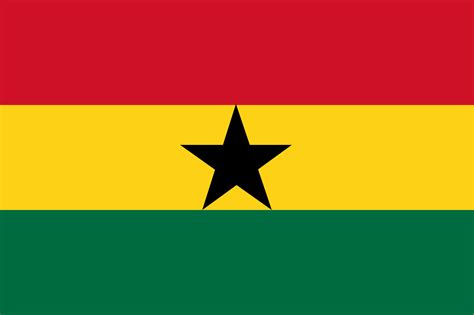
Flag of Ghana
Historical Background
Pre-colonial Ghana
Before colonialism, the area known as Ghana was home to several powerful indigenous kingdoms and empires. These included the Ashanti Empire, the Kingdom of Dagbon, the Fante Confederacy, and others. These kingdoms had rich cultures, advanced trade networks, and sophisticated political systems.
The Ashanti Empire, in particular, was a dominant force in the region. It controlled large parts of present-day Ghana and neighboring territories. The Ashanti was known for their skilled military tactics, strong centralized government, and thriving economy based on gold and other resources.
Read also: "When You Believe" analysis
Colonial rule by the British
The arrival of European powers in Africa during the 15th and 16th centuries marked a significant turning point in Ghana’s history. The British, along with other European colonial powers, established trading posts along the coast of West Africa, seeking to exploit the region’s abundant resources.
Before the arrival of the Europeans, Ghana was home to the Ashanti, a powerful tribe in the region. Many different ancient Ghanaian tribes settled in areas that had an abundance of natural resources, including gold and ivory. These precious commodities are what attracted colonists and lured them to come to the shores of Ghana. While the Portuguese had been the first to establish a settlement in the region, the allure of the local riches led to a struggle for control between many European nations.
In the late 19th century, the British gradually expanded their control inland, often through diplomatic treaties or military conquests. By the early 20th century, much of present-day Ghana had come under British colonial rule. The British administration introduced new systems of governance, imposed taxes, and exploited the region’s resources for the benefit of the colonial power.
Emergence of the independence movement
The experience of colonial rule in Ghana was marked by exploitation, oppression, and the suppression of local cultures and traditions. However, it also laid the groundwork for the emergence of nationalist sentiments and the desire for self-rule.
The early 20th century saw the rise of educated Ghanaian elites who were exposed to Western ideas of democracy, freedom, and self-determination. These intellectuals, including figures like Kwame Nkrumah, J.B. Danquah, and others, played crucial roles in mobilizing the masses and articulating the demand for independence.
Read also: Historical Overview: Nigerian Driving
The United Gold Coast Convention (UGCC) was established in 1947 with the goal of promoting independence from British colonial control and self-government. In 1947, the United Gold Coast Convention (U.G.C.C.), a local political party founded by J. B. However, it was Kwame Nkrumah and his Convention People’s Party (CPP) that eventually spearheaded the independence movement to fruition. In 1951, former Secretary-General of the U.G.C.C. and founder of the Convention People’s Party (CPP), Osagyefo Kwame Nkrumah won a majority in the Gold Coast legislative election.
Through peaceful protests, strikes, and negotiations, the people of Ghana demonstrated their determination to break free from colonial domination. After being weakened by the efforts of World War II, Britain decided to reduce its colonies and the power they held around the world, including those in Africa. This desire was bolstered by a rising call for independence in the Gold Coast. Finally, on March 6, 1957, Ghana became the first sub-Saharan African nation to gain independence from colonial rule, with Kwame Nkrumah becoming its first Prime Minister. He was appointed the leader of the Gold Coast government in 1952, and the Gold Coast region declared its independence from the United Kingdom on March 6, 1957. Following their independence, the new country was established as the Nation of Ghana.
Since Ghana was the first sub-Saharan country in Africa to gain independence, the day was a huge inspiration. It encouraged other African countries to keep struggling for their freedom.
Prior to Independence, Ghana was known as the Gold Coast.
The currency used before Independence was the British West African pound and in 1958 it was changed to Ghanaian pound.
Read also: Egypt's Golden Age
Ghana's Founding Father : The Kwame Nkrumah Legacy #kwamenkrumah #fyp #history #facts
Influential figures and leaders
Kwame Nkrumah
Undoubtedly the most prominent figure in Ghana’s struggle for independence, Kwame Nkrumah was a visionary leader and a staunch advocate for African nationalism. As the founder of the Convention People’s Party (CPP), Nkrumah galvanized the masses and led Ghana to independence in 1957. He became the country’s first Prime Minister and later its first President.
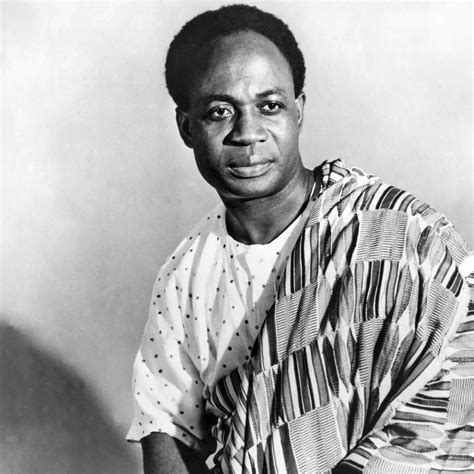
Kwame Nkrumah
J.B. Danquah
A founding member of the United Gold Coast Convention (UGCC), J.B. Danquah was a respected intellectual and politician who played a significant role in shaping Ghana’s nationalist movement. He advocated for self-government and worked tirelessly to advance the cause of independence.
Edward Akufo-Addo
Another key figure in Ghana’s independence movement, Akufo-Addo was a prominent lawyer and politician who served as one of the leaders of the UGCC. He later became the Chief Justice of Ghana and eventually served as the country’s President from 1970 to 1972.
Key events and milestones leading to independence
Formation of the UGCC
The United Gold Coast Convention (UGCC) was established in 1947, bringing together Ghanaian intellectuals, professionals, and political activists who were committed to achieving self-government and independence from British colonial rule. The UGCC laid the groundwork for the independence movement and set the stage for future political developments.
Rise of the Convention People’s Party (CPP)
Led by Kwame Nkrumah, the CPP emerged as a powerful force in Ghanaian politics, advocating for more radical measures to achieve independence. Nkrumah’s charismatic leadership and grassroots organizing skills helped mobilize the masses and galvanize support for the independence cause.
Positive Action Campaign
In 1950, Kwame Nkrumah and the CPP launched the Positive Action Campaign, a series of nonviolent protests and strikes aimed at pressuring the British colonial authorities to grant Ghana independence. The campaign was met with harsh repression, but it ultimately succeeded in raising international awareness about the plight of the Ghanaian people.
Independence and Beyond
On March 6, 1957, Ghana achieved independence from British colonial rule, marking a historic milestone in Africa’s struggle against imperialism. Kwame Nkrumah’s government embarked on an ambitious program of nation-building and development, laying the foundation for Ghana’s emergence as a beacon of hope and inspiration for the rest of the continent.
Struggles and challenges faced by the independence movement
Repression and Oppression
The colonial authorities responded to the growing demands for independence with repression and violence. Political activists were arrested, newspapers were shut down, and dissent was ruthlessly suppressed. Despite these challenges, the independence movement persevered, fueled by the determination of its leaders and supporters.
Divisions within the Movement
The struggle for independence was not without its internal divisions and rivalries. Competing political factions vied for leadership and influence, leading to tensions and conflicts within the movement. However, ultimately, the shared goal of independence united Ghanaians from all walks of life and transcended ideological differences.
Economic and Social Injustice
The colonial legacy of economic exploitation and social injustice posed significant challenges to Ghana’s newly independent government. The country faced daunting economic disparities, widespread poverty, and inadequate infrastructure. Overcoming these obstacles required bold and innovative policies aimed at promoting social equity and economic development.
The road to Ghana’s independence was fraught with obstacles and challenges, but it was ultimately a triumph of the human spirit, and the collective will of the Ghanaian people. Through the tireless efforts of visionary leaders, courageous activists, and ordinary citizens, Ghana emerged as a free and sovereign nation, setting an inspiring example for the rest of the world.
The independence of Ghana marked a watershed moment in African history, inspiring liberation movements across the continent and symbolizing the triumph of the human spirit against oppression. Ghana Independence Day is celebrated annually on March 6th, commemorating the nation’s hard-won freedom and honoring the sacrifices of its forebears in the struggle for independence.
Celebration of Independence Day
Date and annual observance
Ghana Independence Day is celebrated annually on March 6th. It commemorates the historic declaration of independence from British colonial rule in 1957. This day holds immense significance for Ghanaians as it symbolizes their hard-won freedom and sovereignty as a nation.
Traditions and customs associated with Ghana Independence Day
- National Dress: On Independence Day, Ghanaians often wear traditional attire to celebrate their culture and heritage. Men may wear colorful Kente cloth, while women don elegant dresses made from vibrant fabrics. Traditional clothing is an essential part of the celebrations, reflecting the pride and identity of the Ghanaian people.
- Flag Raising Ceremony: One of the central rituals of Ghana Independence Day is the raising of the national flag. Government officials, dignitaries, and citizens gather at various locations across the country to witness the hoisting of the Ghanaian flag, symbolizing the country’s independence and unity.
- Cultural Performances: Independence Day celebrations feature vibrant cultural performances showcasing Ghana’s rich artistic traditions. Traditional music, dance, and drumming performances fill the air with rhythm and joy, reflecting the diversity and vibrancy of Ghanaian culture.
- Religious Observances: Many Ghanaians attend religious services on Independence Day to offer prayers of thanksgiving and reflection. Churches, mosques, and other places of worship play an important role in the spiritual aspect of the celebrations, emphasizing the values of unity, peace, and national solidarity.
National events, parades, and festivities
- Independence Square Ceremony: In Accra, the capital city of Ghana, the main Independence Day celebrations take place at Independence Square. The square, also known as Black Star Square, serves as the focal point for national events, parades, and festivities. Thousands of people gather at Independence Square to witness the official ceremonies and performances.
- Military Parade: A highlight of Ghana Independence Day is the military parade featuring various branches of the Ghana Armed Forces. Soldiers march in precision formations, showcasing their discipline and professionalism. The parade pays tribute to Ghana’s defense forces and underscores the country’s commitment to safeguarding its sovereignty and independence.
- Cultural Exhibitions: Independence Day celebrations often include exhibitions and displays highlighting Ghana’s cultural heritage, history, and achievements. Artisans, craftsmen, and cultural groups showcase traditional crafts, artworks, and artifacts, providing visitors with insights into Ghanaian traditions and customs.
- Community Events: Across Ghana, communities organize their own Independence Day festivities, including street parties, concerts, and sports competitions. Families and friends come together to enjoy music, food, and entertainment, fostering a sense of camaraderie and national pride.
Ghana Independence Day is a joyous occasion that brings together Ghanaians from all walks of life to celebrate their nation’s independence and unity. Through colorful traditions, cultural expressions, and collective celebrations, Ghanaians reaffirm their commitment to building a prosperous and inclusive society rooted in the values of freedom, democracy, and solidarity.
Impact of Independence Day in Ghana
Socio-economic Progress since Independence
Since gaining independence in 1957, Ghana has made significant strides in various aspects of socio-economic development:
- Economic Growth: Ghana has experienced periods of robust economic growth, driven by factors such as agriculture, mining, manufacturing, and services. The country has diversified its economy and attracted foreign investment in sectors like oil and gas, telecommunications, and infrastructure development.
- Social Development: Ghana has made progress in improving access to education, healthcare, and social services. The government has invested in expanding school enrollment, reducing infant mortality rates, and combating diseases such as malaria and HIV/AIDS.
- Political Stability: Ghana is known for its stable democratic governance since the transition from military rule to multiparty democracy in the early 1990s. Regular elections, peaceful transitions of power, and respect for the rule of law have contributed to Ghana’s reputation as a beacon of democracy in Africa.
Challenges Faced by Ghana Post-Independence
Despite its achievements, Ghana continues to grapple with various challenges:
- Poverty and Inequality: Poverty remains a persistent challenge in Ghana, particularly in rural areas and among marginalized communities. Income inequality, limited access to basic services, and disparities in wealth distribution hinder efforts to achieve inclusive growth and reduce poverty rates.
- Economic Vulnerabilities: Ghana’s economy faces vulnerabilities such as overreliance on volatile commodity prices, external debt burdens, and fiscal deficits. Fluctuations in global markets, commodity price shocks, and external economic shocks can adversely affect Ghana’s macroeconomic stability and growth prospects.
- Infrastructure Deficits: Ghana confronts infrastructure deficits in areas such as transportation, energy, water, and sanitation. Inadequate infrastructure limits economic productivity impedes trade and investment, and hampers efforts to improve living standards and promote sustainable development.
Future Prospects for Ghana as an Independent Nation
Ghana possesses significant potential for further growth and development:
- Economic Diversification: Ghana can leverage its natural resources, human capital, and strategic geographic location to diversify its economy and reduce dependence on volatile commodity exports. Investing in sectors such as agriculture, tourism, technology, and renewable energy can stimulate economic growth, create jobs, and foster sustainable development.
- Human Capital Development: Investing in education, healthcare, and skills development is crucial for unlocking Ghana’s demographic dividend and fostering long-term prosperity. Improving access to quality education, vocational training, and healthcare services can enhance human capital capabilities, empower citizens, and promote social inclusion.
- Sustainable Development Goals: Ghana is committed to achieving the United Nations Sustainable Development Goals (SDGs) by 2030. Aligning national development strategies with the SDGs can guide efforts to eradicate poverty, promote gender equality, ensure environmental sustainability, and build resilient communities.
Ghana’s journey since independence has been marked by progress, challenges, and opportunities. By addressing key socio-economic challenges, strengthening institutions, promoting good governance, and fostering inclusive and sustainable development, Ghana can realize its aspirations for a prosperous, peaceful, and equitable future as an independent nation.
Unity and Diversity in Ghana
Cultural Diversity in Ghana
Ghana is renowned for its rich cultural diversity, which is reflected in its vibrant traditions, languages, religions, and customs. The country is home to over 100 ethnic groups, each with its own unique heritage and identity. Some of the major ethnic groups in Ghana include the Akan, Mole-Dagbon, Ewe, Ga-Dangme, and Guan.
Despite the diversity of ethnicities, Ghanaians share a strong sense of national identity and unity. Cultural festivals, traditional ceremonies, music, dance, and cuisine play pivotal roles in preserving Ghana’s cultural heritage and fostering mutual understanding and respect among different communities.
Role of Unity in Ghana’s Progress
Unity has been a cornerstone of Ghana’s progress since gaining independence in 1957. Despite the diversity of its population, Gha...
Ghana celebrates its 50th year of independence.
How did Ghana get its name? The name was drawn from an ancient African empire that was once famous for its significant power, land, and wealth. Ghana means ‘strong warrior’ or ‘war chief,’ which was the title given to the kings of this ancient kingdom located in some parts of modern-day Mauritania, Senegal, and Mali.
When was Ghana declared a republic? Ghana became a republic nation on July 1, 1960.
What is the main food in Ghana? The staple foods are cassava and plantain in the southern part of Ghana, and in the northern part, millet and sorghum.
Ghana means 'warrior king' The word 'ghana' means 'warrior king' in the Mande and Sonike languages.
A war that lasted 77 years The Anglo-Ashanti War, the longest against European invaders, lasted 77 years from 1823 to 1900.
The world’s largest man-made lake Lake Volta spans over 320 miles.
Some Ghanaian tribes are matriarchal The Akan people practice a system of inheritance based on the matriarchal lineage.
‘Fantasy coffins’ are common The ‘abebuu adekai,’ or proverbial coffins, are shaped like objects that represent the profession or interests of the dead.
It teaches us the country’s history Ghana Independence Day is the perfect occasion to teach yourself the history of Ghana. From the reign of the Ashanti to modern-day democracy, it’s been a fascinating journey.
A day to try something new Take Ghana Independence Day as an opportunity to do something new. Learn the language, try the cuisine, or listen to some Ghanian music.
| Year | Event |
|---|---|
| 1957 | Ghana gains independence from the United Kingdom |
| 1958 | Ghanaian pound replaces British West African pound |
| 1960 | Ghana becomes a republic |
| 1972 | Busia is overthrown by Col. |
| 1979 | Akuffo overthrown in another coup by Flight Lieutenant Jerry Rawlings |
| 1981 | Limann is overthrown by Rawlings in military coup |
| 2007 | Ghana discovers oil in commercial quantities |
| 2012 | President John Atta Mills dies, John Dramani Mahama sworn in as president |
Popular articles:
tags: #Ghana
