With a coastline on the Indian Ocean, snow-capped mountain peaks, rolling grasslands, lakelands, and a valley lined by a chain of volcanoes, the country of Kenya offers a diverse range of attractions. Sitting right on the Equator, Kenya is home to Mount Kenya, the second-highest peak in Africa.
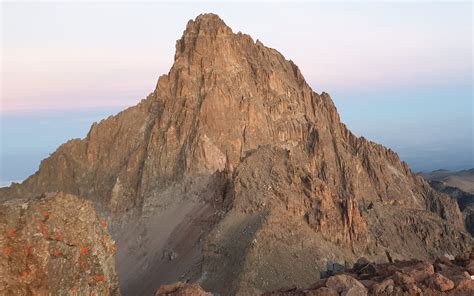
Mount Kenya
1. Best Place to Go on Safari
Kenya is, without a doubt, one of the best places in the world to go on safari. For nine out of the past eleven years, Kenya has been recognized by the World Travel Awards as the world’s leading safari destination. Wildlife conservation is also a big deal in Kenya. About 8% of Kenya is protected land dedicated for wildlife conservation. Kenya is home to the Big Five-leopard, rhinoceros, lion, elephant, and buffalo.
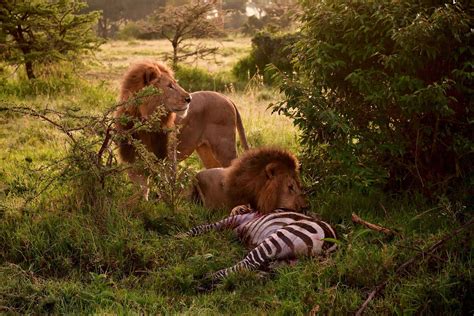
Kenya Safari
2. Cultural Diversity
Kenya is incredibly diverse. One of the reasons there are so many languages in Kenya is because there is so much ethnic diversity. There are at least 42 different tribes in Kenya, and each tribe can be further divided into smaller clans. Most Kenyans take pride in their tribe or ethnic group and follow the traditions of that ethnicity.
Read also: Beyond Safaris: Experiencing Kenya
Kenya is also one of the most cosmopolitan countries in Africa - no one single cultural element can be used to describe the people as a whole. You could say that the country’s local population easily represents more diversity than many other African countries. Traditional African beliefs play a significant role in the lives of Kenyans in spite of adapting to modern values. Kenyans practice traditional values of humility, concern for neighbors and maintenance of kinship ties.
3. Languages Spoken in Kenya
There are 68 different languages spoken in Kenya. While English is the official language in Kenya, Swahili is still known as the national language. Most Kenyans speak both English and Swahili as well as a third language-their tribal language.
4. Famous Long-Distance Runners
Kenya has some of the world’s best long-distance runners.
How Kenyan athletes prepare for success: Jackie Lebo at TEDxNairobi
Something else you may not know is that the Great Rift Valley is actually the playing (and training) grounds of many of these runners!
5. The Great Wildebeest Migration
Known often simply as the Great Migration, this natural phenomenon follows the migration pattern of up to 1.5 million wildebeest-plus about a million zebra, and large numbers of other animals. Many people think the Great Migration happens only once a year, however this natural phenomenon occurs year-round as a cycle, meaning it technically does not ‘start’ or ‘finish’ anywhere, which makes this one of the most interesting facts about Kenya.
Read also: What to Wear: Morocco Edition
Great Migration
6. Car-Free Island
Kenya has a car-free island. Built in 1370, Lamu Island is the oldest town in east Africa. Located off the northeast coast of Kenya, Lamu Old Town was labeled as a UNESCO World Heritage Site. Built before the invention of automobiles, the buildings are built so close that there is literally no space for cars to fit between them.
7. Agricultural Exports
The main economic activity in Kenya is farming. Kenya is among the world’s top exporters of coffee, tea, flowers, and pyrethrum. Kenyan coffee is argued to be one of the best in the world and is the biggest foreign income generator for Kenya.
In March 2021, Kenya exported coffee to the value of approximately 4.56 billion Kenyan shillings, over 40.2 million in US dollars.
8. Humanitarian Efforts
Local churches have partnered with Children’s Hunger Fund (CHF) to deliver Food Paks in Kenya for eight years. In partnership with Emmanuel Baptist Church in Nairobi, CHF launched a Mercy Network in Kenya in 2016.
Read also: Discover Essaouira, Morocco
9. Historical Facts
Modern-day Kenya emerged from a protectorate established by the British Empire in 1895 and the subsequent Kenya Colony, which began in 1920. Mombasa was the capital of the British East Africa Protectorate, which included most of what is now Kenya and southwestern Somalia, from 1889 to 1907. Numerous disputes between the UK and the colony led to the Mau Mau revolution, which began in 1952, and the Kenya's declaration of independence in 1963.
10. Kenyan Cuisine
Kenyan cuisine is built around fresh, readily available, and relatively inexpensive ingredients. The produce that grows in the region, such as kale, spinach, cabbage, tomatoes, beans, potatoes, avocados, and other leafy greens, feature prominently in daily dishes. Typically consumed animal proteins are goat meat, beef, and chicken.
Here are some popular Kenyan dishes:
- Ugali: The staple of Kenyan cuisine, made from white or yellow cornmeal, salt and hot water.
- Irio (Mukimo): A nutritious mix of mashed potatoes, corn, peas, and greens.
- Githeri: A one-pot stew made with red beans, potatoes, onion, meat, and corn in a rich tomato and beef gravy.
- Matoke: A rich stew made from green bananas, tomatoes, onion, garlic, and spices.
- Nyama Choma: Grilled meat, considered to be Kenya’s unofficial national dish.
- Kenyan Stewed Beef (Nyama): Braised beef with onions, tomatoes, carrots, and various other vegetables.
- Mutura: Animal intestines stuffed with meat, onions, herbs, spices, and animal blood, then grilled.
- Sukama Wiki: An earthy, fragrant side dish made from leafy greens, garlic, onions, tomatoes, and spices.
- Kuku Paka: The Kenyan take on a chicken curry, made with charcoal-roasted chicken simmered in coconut milk and spices.
- Mandazi: Kenya’s favorite sweet treat, a doughnut infused with coconut and cardamom.
Here's a table summarizing some of the key aspects of Kenyan cuisine:
| Dish | Description | Main Ingredients |
|---|---|---|
| Ugali | Staple food, cornmeal porridge | Cornmeal, water |
| Nyama Choma | Grilled meat | Goat, beef, chicken, salt |
| Sukama Wiki | Stewed greens | Collard greens, tomatoes, onions, spices |
| Mandazi | Kenyan Doughnut | Flour, coconut milk, cardamom |
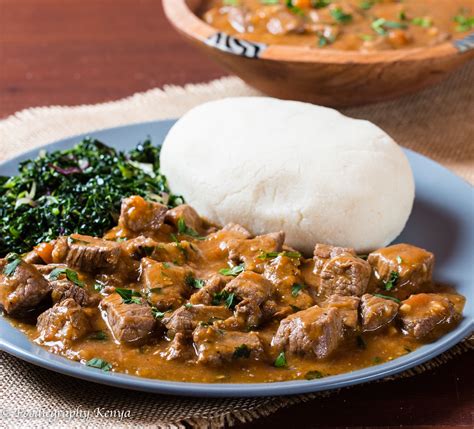
Kenyan Food
11. Wangari Muta Maathai
The first African woman to win a Nobel Peace Prize was from Kenya. Wangari Muta Maathai was a Kenyan environmental, social, and political activist who won the Nobel Peace Prize in 2004 for her contribution to sustainable development, democracy, and peace.
Remember the name: Wangari Muta Maathai. This inspirational woman was a Kenyan environmental, social, and political activist who won the Nobel Peace Prize in 2004 for her contribution to sustainable development, democracy, and peace.
12. National Symbols
The national animal of Kenya is the East African lion, a species currently considered vulnerable by the International Union for Conservation of Nature. The African Lion is one of the Big 5, joining other magnificent African animals including the African leopard, the African elephant, the Cape buffalo, and the rhinoceros. The national bird of Kenya is the Lilac Breasted Roller, which may be a lesser known species than the regal lion, but which deserves a spot entirely to itself. Lastly, the national flower of Kenya is the fan-favourite and regal orchid.
13. Lake Turkana
While its global claim to fame is that it is the world’s largest desert lake, Lake Turkana is also Kenya’s largest lake. You may be thinking “wow, that’s a lot of national parks for just one lake,” and yes, it is, but then again Lake Turkana is over 6,000 square kilometres, so it’s a pretty massive lake!
14. Flower Exports
Ever been caught red-handed on the night of Valentine’s, scrambling for the last salvageable bouquet because you forgot? Not in Kenya! The country is amongst the world’s 5 largest exporters of cut flowers - mainly roses and carnations; beautiful bright coloured and intricate flowers.
Popular articles:
tags: #Kenya
