Nollywood, the colloquial term for Nigerian cinema, has etched its indelible mark on the global cinematic stage. Over the years, it has earned acclaim for its dynamic storytelling, cultural richness, and unparalleled impact. But before Nollywood became the colossal cinematic empire worth over $6.4 billion, it had humble beginnings.
Nigeria’s film industry dates back to a time when colonial filmmakers produced films for local audiences. During this era, religion played a huge role in the expression of cinema culture, as Christian missionaries used filmmaking for propaganda. These films, such as Palaver (1926) and Sanders of the River (1935), cast Nigerian actors in speaking roles and were shown in halls nationwide to teeming audiences.
With time, cinema became a common feature of social life, particularly in Lagos. This development established big commercial cinema houses with branches in strategic parts of the country. Between the 1930s and 1940s, cinema came in the form of playing companies and traveling theater troupes. These plays, funded by the court, church, or audiences, were promoted via adverts and posters disseminating information to potential audiences. The introduction of technology allowed these plays to be recorded and screened in tiny picture houses across cinemas in the country.

Following Nigeria's independence in 1960, the film industry quickly grew, creating new film theaters, and ushering in the Golden Age of Nigerian cinema. However, there was a significant influx of American, Indian, and Chinese films - theaters were overwhelmed with adverts for these films, and their stars rose to fame in Nigeria. While this period saw the rise of foreign films, it also helped propagate film culture alongside the oil boom in the 1970s.
Concerned about the invasion of foreign culture in Nigeria, Yakubu Gowon, the then-head of state, issued the Indigenization Decree in 1972. The ruling mandated that 300 film theaters be given back to Nigerians by their foreign owners. As a result of this policy, more Nigerians began to take prominent roles in films, and famous local plays and books were turned into motion pictures. The sector had also gained popularity, and foreign investments helped build film theater complexes like the National Arts Theatre, which had two theaters and could seat over 700 people. At this time, the film industry had grown to be a significant employer of labor, and served a crucial social purpose as Nigerians went to the theaters for pleasure. Because of the country's rising purchasing power, many Nigerians had more income to spare on home television sets and movie tickets.
Read also: Movies Starring Regina Daniels
The Golden Age of Celluloid Movies
After Nigeria’s independence, Ibadan became a hotbed for the film industry. Those early decades after Nigeria’s independence were the golden age of the country’s celluloid movies. For a long time, however, the content had been foreign.
Soon after Nigeria’s independence in 1960, a generation of Nigerian film and TV practitioners took matters into their own hands and started producing local content. In this sprawling traditional city, several things came together to create a fertile ground for the creative industry. First of all, the Yoruba theatre tradition was still very much alive. In that epoch, more than 100 travelling theatre companies toured Yorubaland. Another factor that contributed to the rise of Ibadan as a cultural hub was the fact that the city housed the country’s first university, established in 1948.
The artistic scene at UI, as the acronym for Nigeria’s oldest university would later become, was energetic and diverse. The fusion of modern literature and traditional theatre on celluloid produced the first generation of Nigerian films, mostly based on books and stage plays adapted for cinema. Many of the actors of the travelling theatres would eventually become big names in Nigerian cinema.
The political climate after independence was also conducive to the blossoming of the creative industry. The well-funded public organization that employed Ogunniyi after his return from the UK, the Western Nigeria Television and Broadcasting Service, became the breeding ground for many a Yoruba film talent. He remembers visiting the Cannes Film Festival in the early 1980s as an independent producer. No Nigerian movies were presented at the festival, but I was hopeful that we would change that in the future.
He remembers the exact date of his first day there: September 20, 1970. The foundation of my life and my career was laid in Ibadan. He talks about the political importance of Ibadan in those years, referring to the fact that the city had been the seat of government in the Western Region since colonial times, when Nigeria was divided into three zones.
Read also: Evolution of Nigerian Movies
The Fall of the Ibadan Film and TV Industry
So, what happened to the Ibadan film and TV industry? Successive military governments - from 1966 Nigeria would be ruled on and off by military dictators - played an important part in its downfall. It was the end of government backing for the creative sector and the beginning of oppression, with actors barred from performing and artists getting arrested and jailed.
Gradually, Ibadan’s movie theatres closed their doors. The exit of movie theatres from Ibadan was paradoxically speeded up by the next boom in the Nigerian film industry: the emergence of home video.
The Rise of Home Video and Nollywood
As more households could afford televisions, greater focus was placed on this medium. Producers started broadcasting local popular theater shows, first on television and subsequently on video, because the legislation had restricted the amount of foreign content that could be broadcast on television. As a result, a small-scale, unregulated video trade emerged, eventually giving rise to the 1990s video boom that was the subject of considerable discussion.
By the late 1980s, technological developments had made it possible for anyone who could afford to buy video equipment to make a movie, and Nollywood was born, with eastern cities such as Aba and Onitsha gaining importance. One of the earliest experiences of its destructiveness which shook the old-school Nigerian film industry was the case of Moses Olaiya, the popular Yoruba comedian known as Baba Sala. In 1982, he produced his first movie, Òrun Móoru (Heaven is Hot), starring himself and a mostly Ibadan-based cast. Before the film arrived in theatres, however, it had already been pirated and distributed on video. The audience watched it at home rather than in the cinema.
Shooting films on celluloid for the cinema, an expensive and labour-intensive process, became rare in Nigeria. The exit of movie theatres from Ibadan was paradoxically speeded up by the next boom in the Nigerian film industry: the emergence of home video.
Read also: The evolution of Nollywood
The Evolution of Nollywood
)
It became common to see video copies of television programs sold on the street. The video films were famously available at Alaba International Market, a commercial district in Lagos that was the hub of video distribution, and eventually the hub of piracy in Nigeria. Then came the video rental clubs, which thrived, as films were exchanged for as low as fifty naira.
There were reportedly over 6,000 registered video parlors and even more unregistered ones in 2007. It was also estimated that 522 billion naira (US$3 billion) was made in annual sales revenue from Nigeria's film business, including 250 billion naira (US$1.6 billion) from broadcast programming. In 2008, when the video age was at its peak, the industry released almost 200 video films monthly, making it the second-largest maker of films anywhere in the world. However, this era soon saw a decline due to various factors such as piracy, insufficient distribution networks, and a lack of support from the government.
The Resurgence of Cinema and New Nollywood
The cinema made a resurgence much later, with Nigeria witnessing an increase in theaters located in affluent cities and in well-known, bustling malls where other commercial activities took place. The Silverbird Group, one of the significant pioneers of this era, erected a theater with the same name at their upscale mall on Victoria Island. When they became wildly successful, more theaters appeared, and spread into the city's less affluent areas.
A new generation of filmmakers, some of whom had training in filmmaking, also emerged in the 2000s. This was reflected in their films, such as The Figurine (2009), Ijé (2010), and The Wedding Party (2016). Compared to films produced before the video boom, these stood out for their greater narrative complexity, aesthetic value, and general production quality. They had larger budgets, felt more sophisticated than older films, took longer to produce, and appeared to explore stories beyond providing audiences with a didactic moral lesson.
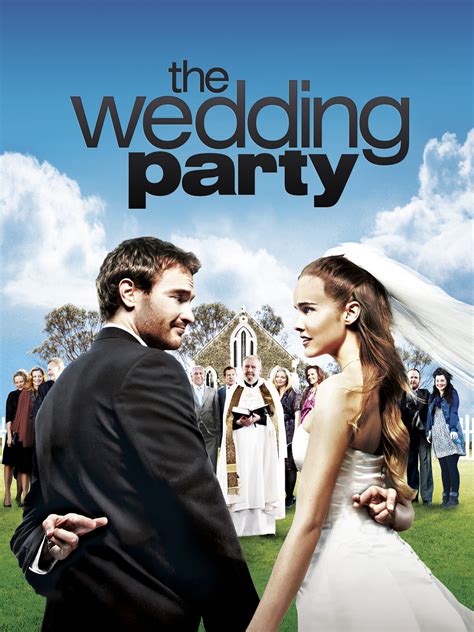
There are significant differences between old and more recent Nollywood films. Old Nollywood was authentic to the Nigerian experience. Now, in 2022, these films are lauded as being part of “the golden age” of the Nigerian film industry, laying the foundations for Nollywood as we know it today. They are also remembered fondly for their unique fashion statements, unintentionally funny scenes, and for creating some of the most iconic words and phrases-such as “you stink with poverty” from the 2006 movie Girls Cot-that are now etched into Nigeria’s pop culture history.
The renewed interest in old Nollywood can also be felt in the current Nigerian movie industry. The didactic tone that is still evident in most Nollywood projects, the exaggerated drama, cutting-one liners, and dramatic fashion statements are all elements that are rooted in old Nollywood.
The cultural success of old Nollywood has led to more curiosity and interest to see how far we can take it. Hollywood films are remade. It was just a matter of time before Nollywood began to replicate that. The critical and commercial success of Living in Bondage’s reboot proved that the Nigerian audience is hungry for such stories.
As Nigeria experiences some of its worst financial crises, daily reports of terrorism, and rising rates of police brutality, it is unsurprising that people are falling back on tried and tested favorites to escape the challenges of reality.
The Impact of Streaming
The emergence of technology and its improvements came into play as the world and essential stakeholders began to pay greater attention to the industry. Before the advent of streaming, cinemas were the primary distribution channel for Nollywood films. Most of these films would frequently remain in cinemas for weeks or months, depending on how profitable they were. Then came streaming which allowed fans to connect with these films at their own convenience.
Streaming proved to be an appropriate avenue for people who may have missed a theatrical release or are new to Nollywood. It all began with Mary Remmy Njoku's iROKOtv, which boasted several well-known films on its platform, and created several original movies and TV shows.
Early on, Netflix was one of the streaming services to prioritize hosting Nigerian titles on their service. Before the international streamer’s launch in 2020, the company had some Nigerian films and collaborated with established filmmakers. However, the launch also felt like a way for the company to establish a foothold as a significant player in the booming film industry. Soon after, Amazon’s Prime Video came along, and more streamers began teasing and investing in local content. The last few years have seen both streaming giants steadily growing their subscriber bases in Nigeria, with both companies fighting for dominance in the Nigerian market. Their presence has also been crucial to the growth of the industry. Since entering the Nigerian Nollywood market in 2016, Netflix has committed $23.6 million to more than 250 locally-produced, co-produced, and commissioned video content.
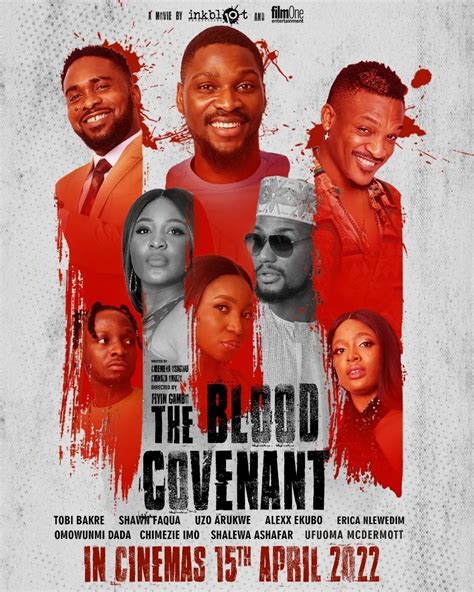
Additionally, streaming has been a catalyst for Nigerian filmmakers to think outside the box when crafting stories, seeing as their films now reach a global audience and open them up to broader critique. Director Fiyin Gambo, who made Prime Video’s The Blood Covenant, sees this as “a double-edged sword,” but adds, “it definitely helps us as filmmakers have a global outlook. When The Wait got released on Netflix in January 2023, I got messages from all over the world and people reached out to collaborate on future projects,” he told OkayAfrica.
According to PwC, the Nigerian film business generated 2.3% of the country's GDP, or 239 billion naira ($660 million), in 2021. The company forecasts that it will generate $1 billion in export income. Beyond the revenue brought in is the prestige of global acclaim. One of the biggest goals for the industry is to win an Academy Award for International Feature Film. In the past, South Africa and Algeria have made the nomination shortlist for this highly coveted category, but Nollywood has yet to bag a nomination, despite submitting some of its more impressive work, such as Lionheart (2020) and The Milkmaid (2021).
