Whether you're attending a Nigerian wedding as a guest or as one of the honored couple, you've probably spent a good deal of time wondering what to wear. Picking out an outfit can be tricky since Nigerian wedding attire varies between regions and tribes. According to wedding photographer Chi-Chi Ari, "most Nigerian weddings are high fashion affairs, and people show up like it's a red carpet."
To help you prepare for your upcoming Nigerian wedding, we sat down with industry experts to get the ins and outs of Nigerian traditional wedding attire. Below, we're breaking down everything we learned. Then, shop for Nigerian wedding outfits from one of the retailers listed below.
What Is Nigerian Wedding Attire?
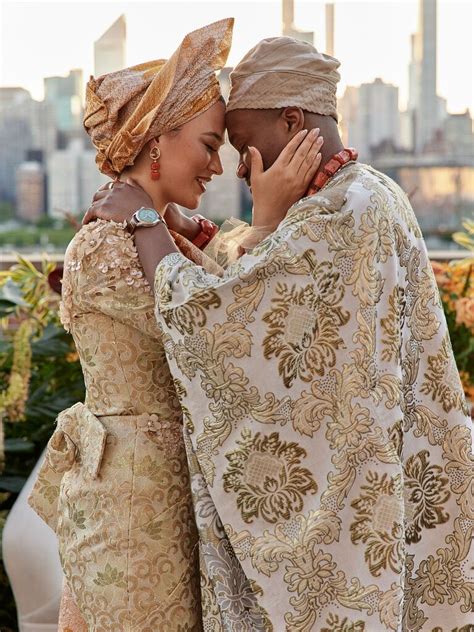
There are an estimated 371 tribes in Nigeria, each with different customs and traditions. This means that Nigerian traditional wedding attire looks a bit different for every couple depending on their background. Many tribes, however, take part in the Yoruba practice of wearing Aso-ebi, or "family clothes." According to Ari, Aso-ebi is a chosen fabric that's sent to relatives, close friends, and members of the wedding party.
Guests who are not given Aso-ebi may be invited to take part in something called the "color of the day." According to Feyisola Ogunfemi, event planner and owner of Statuesque Events, the color of the day can help guests decide what to wear to a Nigerian wedding. "During an introduction or traditional marriage, where the families are not considered joined just yet, there generally is a different color decided for the family of the bride and the family of the groom. Those who opt for a Western celebration with a religious ceremony and reception might choose just one color of the day to show unity between the families," she explains.
Igbo Traditional Wedding Attire
"As an Igbo woman who had a traditional wedding, I can say that choosing attire was one of my favorite parts of the celebration," says Ari. Igbo traditional wedding clothes for brides usually includes two to three outfit changes throughout the day.
Read also: Atlanta Nigerian Passport Services
"We often start in a blouse made from traditional fabric, called George, which is styled with Nigerian wedding jewelry like coral beads. Later in the day, the outfit may evolve into a more contemporary style designed with lace fabric and a regal gele (head wrap) that is perfectly sculpted-still rooted in culture but showing off the bride's personal style," she says.
In terms of men's Nigerian wedding attire, Ari reveals that the groom typically begins the day wearing an isi agu top, which is a richly patterned shirt featuring lion head motifs.
Yoruba Traditional Wedding Attire
"Yoruba traditional weddings are known for their richness and detail, and as a former Yoruba bride, I can attest to this," says Dami of By Dami Studios. "When sporting traditional Yoruba wedding attire, brides wear a buba (blouse), iro (wrapper), gele (head tie) and ipele (a sash draped across the shoulder), all cut from aso-oke, which is a traditionally woven fabric. Grooms wear agbada-a grand, flowing robe-with a fila (cap). Everything is color-coordinated and soaked in tradition and elegance," she explains.
Hausa Traditional Wedding Attire
According to Dami, Hausa couples are the most grounded in tradition, so their attire hasn't changed much over the years. Hausa traditional wedding attire usually features intricate embroidery and detail.
"Brides typically wear beautifully tailored dresses with matching gele-style head wraps, and they sometimes incorporate henna designs on their hands and feet," she explains. Grooms go for traditional baban riga (a flowing robe) with a cap called hula," she says.
Read also: Experience Fad's Fine African Cuisine
Traditional Nigerian Wedding Attire 101
If you've never attended a Nigerian wedding, deciding on an outfit might seem like a daunting task (especially if the dress code includes terms you're unfamiliar with).
Fabrics
"Nigeria has a wide range of rich, elegant fabrics-like lace, Aso Oke, George, damask, tulle, silk and sequins-and weddings are where they truly shine," Ari explains. "It's a full display of artistry, culture and personal flair." If you're shopping for Nigerian wedding attire online, keep an eye out for the fabrics listed above.
Accessories
"Nigerians love pomp and circumstance," Dami explains. If you're attending a traditional Nigerian wedding, you can expect to see statement jewelry, traditional Nigerian wedding beads, hand fans and headdresses. "Men might carry walking sticks and wear beaded necklaces and embroidered caps," she adds.
Modern vs. Traditional
According to Ogunfemi, not every couple sticks to their tribe's customary clothing. Some couples opt for more modern interpretations of Nigerian traditional wedding outfits, while others skip traditional garments altogether. Multicultural weddings, on the other hand, may fuse elements of Nigerian wedding attire with that of another culture.
"While we all have our traditional roots, we also love to celebrate and embrace other cultures' fashions," says Ogunfemi. If you're attending a modern Nigerian wedding that doesn't require you to wear traditional attire, Ari's advice is to dress to the nines.
Read also: Philadelphia Food Truck
Nigerian Wedding Attire for Couples
According to Dami, couples at traditional Nigerian weddings will usually make several outfit changes throughout the event. "For the traditional ceremony, they'll wear the cultural attire of their specific tribe or ethnic group, then for the white wedding, you'll see the bride in a gown and the groom in a tux, just like in Western weddings," she explains. "It's like a fashion show and a love story all at once."
Nigerian Wedding Guest Attire
"Nigerians love fashion and we don't hold back for weddings," says Ari. "You'll see people show up in both traditional wear and formal English wear, always styled to perfection." According to Ari, Nigerian wedding guest outfits continue to evolve. "Each year brings bolder choices, fresh silhouettes and new ways to interpret tradition," she explains.
Wedding guests who are not given a traditional Aso-ebi are encouraged to take part in the color of the day. While it isn't required by any means, it's a great way to honor the couple's heritage (and avoid sticking out among other guests). Consider wearing an evening gown or a tuxedo in a color that the couple requests. Remember, when it comes to Nigerian weddings, you can never be overdressed.
THE NIGERIAN BRIDE GUIDE | how we planned our 1000 guest Nigerian wedding + Cost, Vendors, Tips
Traditional Nigerian Wedding Colors
Planning a Nigerian wedding involves selecting the right color scheme. Traditional Nigerian wedding colors are vibrant and symbolic, reflecting the rich cultural heritage.
Did you know that every color has a specific meaning or symbolism? Just like horoscopes, some people believe in these symbols and meanings and others do not. Whether you believe it or not, certain colors certainly do exude specific energies (red is hot, yellow is cheerful, etc) and the colors that you choose for your wedding theme can have a big impact on the overall success of your big day.
Here, we explore popular color schemes and how to incorporate them into your celebration.
Popular Color Combinations
- White and Gold: A classic combination representing purity and wealth. White symbolizes a fresh start, while gold adds a touch of luxury and prosperity. For an elegant touch, consider dressing the bride in a white lace dress with gold embroidery. Decorate the venue with white flowers and gold accents for a cohesive look.
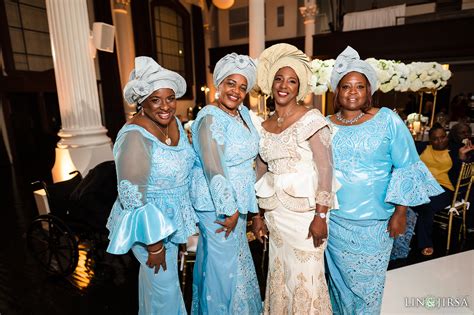
- Blue and Silver: Blue signifies love and peace, making it a popular choice for Nigerian weddings. Paired with silver, it creates a serene and sophisticated atmosphere. Bridesmaids can wear royal blue dresses, complemented by silver accessories. Blue and silver table settings will enhance the overall aesthetic.
- Red and White: Red represents love and passion, while white stands for purity. This bold combination is perfect for couples who want to make a statement. The bride can wear a stunning red gele (head tie) with a white traditional dress. Decorate the reception area with red roses and white drapery for a romantic feel.
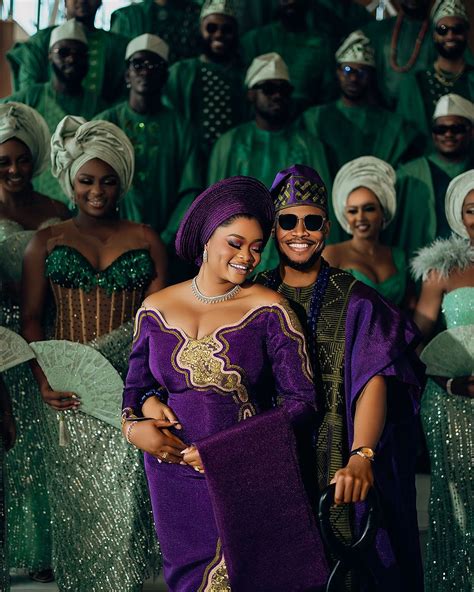
- Purple and Gold: Purple, associated with royalty and nobility, paired with gold, creates a regal atmosphere. This combination is perfect for a glamorous wedding. Use purple and gold drapery, and consider a purple wedding cake with gold details for a striking centerpiece.
- Green and Yellow: Green symbolizes life and renewal, while yellow represents happiness and energy. This lively combination is ideal for a vibrant and cheerful wedding. Bridesmaids in green dresses with yellow bouquets can brighten up the ceremony. Decorate the venue with green foliage and yellow flowers for a fresh and inviting look.
- Pink and Silver: Pink signifies sweetness and love, while silver adds a touch of elegance. This soft and romantic combination is perfect for a dreamy wedding. The bride can wear a pink dress with silver embroidery, and the groom can match with a silver tie. Use pink and silver balloons and table settings to complete the theme.
Here is a closer look at what the specific meanings are behind the most popular wedding colors:
- The color RED signifies passionate love: Red is the warmest color of all and is the most chosen wedding color for couples (or brides) with outgoing, confident personalities. Be careful not to overuse red or it can come across as garish and tacky.
- The color PINK signifies calm, joyous love. Known as a quiet and soft color, pink symbolizes universal love and is a favorite wedding color for brides everywhere.
- The color BLUE signifies true, sincere love. Perfect especially if you are having a tropical, exotic or beach themed wedding, blue is the coolest color of all and represents the sky, ocean and twilight.
- The color WHITE signifies pure love. White is the universal color for innocence and purity - worn by brides at weddings and babies at christenings around the world.
- The color PURPLE signifies magical, mysterious love. It is said that purple is the color of good judgment and peace of mind - two qualities that are ideal to share with wedding guests to symbolize the couple’s love, feelings and commitment.
- The color ORANGE signifies creative, vital and warm love. Orange is truly a color of power, and is chosen as a wedding theme color by the strong and confident couple who loves life and is not afraid to share their vibrancy and energy with others.
- The color GREEN signifies healthy and balanced love. In most cultures, the color green represents earth, nature, life and fertility. However, it also symbolizes balance, self-respect and overall well-being.
- The color YELLOW signifies happy and wise love. Yellow is the color of happiness, joy and bliss. Yellow is also a color with high energy so use it sparingly as a wedding theme color.
Incorporating Colors into Your Wedding
- Attire: The bride and groom's outfits are central to the wedding's color scheme. Consider traditional Aso Oke fabrics in your chosen colors.
- Decor: Use your color scheme throughout the venue. From table linens and chair covers to centerpieces and backdrops, consistent use of your colors will create a harmonious look.
- Accessories: Accessories like jewelry, shoes, and bags can enhance your wedding theme. For instance, a gold necklace can complement a white and gold dress, while silver shoes can add sparkle to a blue and silver outfit.
Choosing the right products can make a significant difference in bringing your color scheme to life. Incorporating traditional Nigerian wedding colors into your Texas wedding is a beautiful way to celebrate your heritage while adding a unique touch to your special day.
Where to Buy Nigerian Wedding Clothes
"Nigerian wedding attire is generally made to order and not sold ready to wear," Ogunfemi explains. That said, there are plenty of small businesses on Etsy that can help you dress for your upcoming event.
- This highly-rated Etsy shop specializes in Nigerian wedding attire for ladies and men.
- Have questions about Nigerian wedding attire? This Etsy shop is known for providing quick responses to customers.
- When it comes to Women's Nigerian wedding attire, African Ensembles has everything you need.
- This Etsy shop specializes in Men's Nigerian wedding attire and accessories.
Key Elements of Nigerian Weddings
Nigerian weddings are known for their extravagance and cultural richness. They’re not just events but grand festivals that bring families and communities together. Whether you're attending a Nigerian wedding in America or experiencing one in Nigeria, you're in for an unforgettable experience filled with color, music, and deep-rooted customs.
The following elements remain consistent across various Nigerian traditional wedding ceremonies:
- Family involvement: Families play a crucial role in the planning and execution of the wedding, emphasizing the union of the couple and their families.
- Traditional attire: Vibrant and elaborate outfits are a hallmark, with brides and grooms donning attire that reflects their ethnic heritage.
- Rich cuisine: An array of traditional dishes is served, showcasing Nigeria's diverse culinary landscape.
- Music and dance: Celebrations are incomplete without music and energetic dances that get everyone on their feet.
These core elements create the foundation of Nigerian weddings, blending tradition, community, and joy into one unforgettable event. Regardless of the ethnic group, the focus is always on fostering unity between families and making the day a true celebration of love.
Comparing Traditional Rituals: Igbo, Hausa, and Yoruba Weddings
Nigerian weddings are as diverse as the country's numerous ethnic groups, each bringing its own unique traditions to the celebration. Among the most well-known are the Igbo, Hausa, and Yoruba traditional weddings, each rich with symbolic rituals that emphasize respect, family unity, and cultural identity.
- Igbo traditional weddings: Known as Igba Nkwu, are colorful and symbolic. The ceremony begins with the knocking on the door - Ikụ Aka n' Uzo - where the groom's family visits the bride's family to announce their intentions. After background checks and agreement on the bride price - Ime ego - the highlight is the wine-carrying ceremony.
- Hausa weddings: Are deeply rooted in Islamic traditions. The process starts with seeking permission from the bride's parents, followed by a formal proposal involving gift presentations such as kola nuts and sweets. The Fatihah is the wedding ceremony where vows are exchanged, but women traditionally do not attend. Instead, they prepare the bride during Kunshi, similar to a bridal shower. The celebration continues with a Walimah, a grand reception featuring music, food, and dance.
- Yoruba wedding customs: Are elaborate and filled with meaningful rituals. The ceremony begins with introducing and presenting the engagement list - Eru Iyawo. The groom and his family perform prostrations to show respect. An Alaga, or master of ceremonies, guides the proceedings with songs and prayers. The bride and groom wear matching outfits made from Aso-Oke, and families and friends adorn themselves in Aso-Ebi, reflecting unity and support.
Modern Adaptations and Traditions
Modern Nigerian weddings often blend traditional elements with contemporary practices. Couples may opt for a double ceremony, having a traditional Nigerian and a Western-style white wedding. This fusion allows them to honor their heritage while embracing modern customs.
Nigerian White Weddings
The Nigerian white wedding resembles Western wedding ceremonies but is infused with Nigerian flair. Brides wear white gowns, and grooms don suits, but the celebrations remain grand, with large guest lists and elaborate receptions. The white wedding often follows the traditional marriage ceremony in Nigeria, sometimes held on the same day to accommodate busy schedules.
Single-Day Double Ceremonies Explained
Hosting both traditional and white weddings on the same day has become increasingly popular. The day begins with the traditional rites in the morning, followed by a quick change into Western attire for the white wedding in the afternoon. This approach requires meticulous planning to ensure each ceremony retains its significance while providing a seamless experience for guests.
Modern Venues for Nigerian Weddings in America
As Nigerian families spread across the globe, many couples choose to celebrate their weddings in the United States while still honoring their rich cultural heritage. Nigerian weddings in America often occur in modern venues that can accommodate these events' vibrant, large-scale nature. Modern venues make it easier to fuse Nigerian cultural elements with the elegance of a luxury venue.
The Role of Aso-Ebi and Gele
A unique aspect of Nigerian weddings is the use of Aso-Ebi - coordinated attire worn by families and friends. It symbolizes unity and support for the couple. Women often complement their outfits with a Gele, an ornate headwrap that adds elegance and is a staple in Nigerian wedding photos.
The Significance of the Money Spray
The money spray is a beloved tradition where guests shower the couple with money as they dance. It's a gesture wishing prosperity and happiness and adds to the festive atmosphere. Designated individuals collect the money, which often contributes to the couple's new life together.
