Nigeria is known for its rich culture, encompassing everything from events and food to, of course, fashion! Self-expression and creativity shine through in the ways Nigerians create fashion from both old and new elements, especially during weddings and other special occasions.
Have you ever wondered about the origins of the diverse outfits we see today? This article delves into the roots and characteristics of various Nigerian native wears, exploring the styles and materials unique to different regions and ethnic groups.
Northern Nigerian Fashion
Popular for its elegance, Northern Nigerian fashion often involves layering. The kaftan, worn by men, is typically paired with a loose baban riga over it. For women, an ankara blouse and skirt or dress is usually complemented with a veil. The intricacy of the material varies depending on the occasion, with heavier, more detailed fabrics reserved for significant events and simpler materials used for daily wear. Long, loose gowns known as abayas are commonly worn in casual settings but can also be dressed up. Fashion in this region is continuously evolving, finding innovative ways to incorporate its staple pieces.
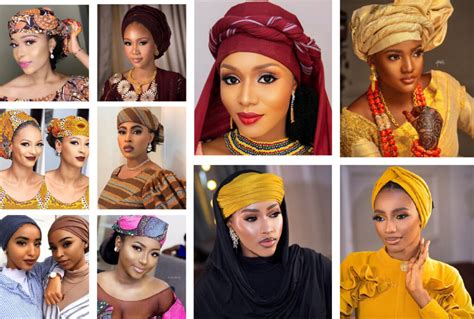
Traditional Northern Nigerian attire often involves layering and elegant designs.
Read also: Atlanta Nigerian Passport Services
Nigeria fashion: how-to weave Aso Oke
Western Nigerian Fashion
Western Nigeria is well-known for clothes like agbada, gele, iro and buba, and fabrics like aso oke and adire. The iro and buba, worn by women, consists of a wrapper paired with a loose blouse, typically worn with a gele (head tie). The agbada is a loose robe (similar to the baban riga) worn by men over a matching inner set of a shirt and trousers.

Agbada (men) and Iro & Buba (women) are staples of Western Nigerian fashion.
Igbo Traditional Attire
Did you know that the Igbo traditional attire is called Isiagu? Isi-Agu, which literally means "lion’s head" in Igbo, is a pullover shirt made with fabric that has lion heads printed on it. Women wear form-fitting clothes in either isiagu or ankara that accentuate their figures through countless styles.
A popular fashion accessory is called the nza, or horsetail, and most people now use it in weddings, funerals, and dances. Coral beads are also significant, with the Edo people known for creating fashion out of coral jewelry, which can take many forms, from elaborate headpieces to ankle pieces.
Read also: Experience Fad's Fine African Cuisine
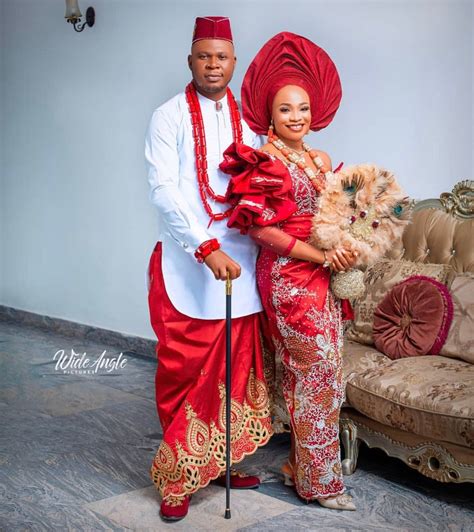
Isiagu attire is a prominent feature in Igbo traditional fashion.
Tiv Fashion
When it comes to fashion, the Tiv people are known for their A'nger, a black and white striped material. It is a woven cloth that is then dyed and packaged for sale. The classic black and white clothing represents peace and simplicity.
Fulani Fashion
Traditional Fulani fashion centers around the Mudukare, a mix of red, blue, and green embroidery, woven into white fabric. Mudukare for women looks like a sleeveless half-top worn over a wrapper, while men wear a long, sleeveless shirt with a pair of medium-length shorts.
George Fabric
Men and women alike tie long wrappers made of George cloth, a great, fashionable material from India where it is used to make saris! With this wrapper, men typically wear long, white, cotton shirts and accessorize with wide-brimmed hats and walking sticks.
Read also: Philadelphia Food Truck
We all know fashion is one of the most popular things about Nigeria. It's one of the reasons we have a fashion collection!
| Material | Region/People | Description |
|---|---|---|
| Aso Oke | Western Nigeria | Hand-woven cloth used for special occasions. |
| Adire | Western Nigeria | Indigo-dyed cloth with resist-dyeing techniques. |
| Isiagu | Igbo | Fabric with lion head prints, used for traditional shirts. |
| A'nger | Tiv | Black and white striped woven cloth symbolizing peace. |
| Mudukare | Fulani | White fabric with red, blue, and green embroidery. |
| George Cloth | India (worn in Nigeria) | Fashionable material used for wrappers. |
