When considering goats for home milk and cheese production, the Nigerian Dwarf goat quickly becomes a standout choice.
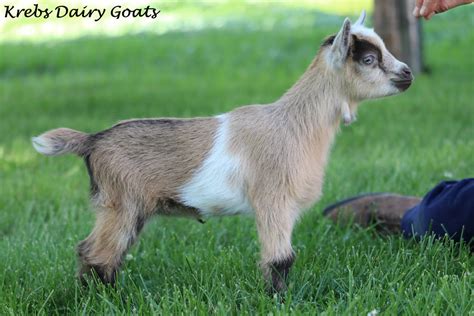
These miniature milkers are renowned for their sweet, creamy milk, thanks to their high butterfat content, and their small size makes them ideal for families with young children.
Why Choose Nigerian Dwarf Goats?
There are several reasons why Nigerian Dwarf goats are a popular choice for small homestead dairying:
- Sweet and Creamy Milk: Nigerian Dwarf goats have the highest butterfat content of all registered dairy goat breeds, ranging from 6-10%. This results in milk that is exceptionally sweet and creamy, without the "goaty" flavor often associated with goat milk.
- Small Size: Mature does stand no more than 22 inches tall at the withers, and bucks typically reach 23 inches. Their small size makes them easy to handle, especially for children and those with limited space. Mature size is usually about 75 pounds which makes handling for kiddings, hoof trimmings, vaccinations, and blood draws easy.
- Gentle and Trainable: Despite their curious and sometimes stubborn nature, Nigerian Dwarf goats are generally gentle and easy to train. They quickly learn routines and can be trained to jump onto the milk stand and wait for their grain ration.
- Variety of Colors: Nigerian Dwarf goats come in a wide array of colors and patterns, making them visually appealing and adding a touch of variety to any farm.
The number one reason why some families have goats at all is to produce milk. The first time they tasted milk from Nigerian Dwarf goats they were blown away by the sweet and creamy taste.
These little climbers are easy to train. Our girls come to know exactly when it is their turn to be milked - in fact, they develop their own pecking order of seniority for who gets to come out next - and they will jump up onto the milk stand by themselves and wait for their grain ration.
Read also: Atlanta Nigerian Passport Services
Nigerian Dwarf Goat Milk: A Nutritional Powerhouse
Nigerian Dwarf goat milk offers numerous health benefits, making it a superior choice for those seeking a healthy and delicious alternative to cow's milk.
Producing 1 to 2 litres of creamy milk with 6-10% butterfat a day, these miniature milkers are in a league of their own when compared to the butterfat of other breeds (2-6%).
Here's a breakdown of the key advantages:
- High Butterfat Content: The high butterfat content contributes to the milk's rich, creamy texture and enhances the absorption of fat-soluble vitamins.
- Easier to Digest: The fat globules in goat milk are smaller than those in cow milk, making it easier for the body to digest. Goat milk also contains less lactose than cow milk, making it a suitable option for those with lactose intolerance.
- Fewer Allergenic Proteins: Goat milk contains only A2 casein, while cow milk contains both A1 and A2 casein. Many people who are intolerant to cow milk are actually sensitive to the A1 casein protein.
- Rich in Calcium and Fatty Acids: Goat milk is richer in calcium than cow milk, providing about 33% of the daily value per serving. It is also high in medium-chain fatty acids, which provide an energy boost and help lower cholesterol.
- Improves Skin Health: Goat milk contains high levels of vitamin A and lactic acid, which can improve complexion, fight acne, and promote overall skin health.
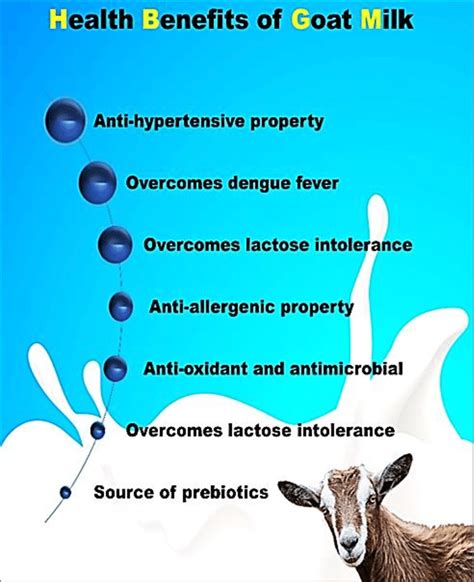
Goat milk helps increase “good” cholesterol levels while reducing the bad ones - its healing properties are similar to olive oil.
Raising Nigerian Dwarf Goats: A Simple Guide
Raising Nigerian Dwarf goats can be a rewarding experience. Here are some tips to get you started:
Read also: Experience Fad's Fine African Cuisine
- Purchase Two Does or Doelings: Goats are herd animals and thrive in the company of other goats.
- Consider the Source: The cheapest way is to buy a young doeling, as young as 8 weeks old (that’s the time when they can be weaned from their mother). Goat breeders usually have a lot of babies around the same time and are willing to offer package deals for two or more goats.
- Provide Proper Housing: Goats need a safe and secure shelter to protect them from the elements.
- Feed a Balanced Diet: Goats are browsers, not grazers, and require a diet of high-quality hay, grains, and minerals.
- Ensure Regular Health Care: Regular hoof trimming, vaccinations, and deworming are essential for maintaining the health of your goats.
Goats will not eat your lawn mower, your outdoor furniture, your trampoline, or your kid’s toys. They may chew on the bark of a tree and will eat the fruit that falls off (although my goats don’t like citrus), but that’s about it.
Here are the PROS and CONS with buying goat food in HAY vs.
PRO: Hay is in the best for a goat’s stomach. The long stems aid in digestion and bacteria processing done in their rumen. CON: It’s usually a couple dollars more expensive. It’s messy. And since goats are foragers, they will sift through it, eat the best parts, and leave a lot of waste. Don’t think that if you stop feeding them, they’ll eat the waste eventually, because they won’t. They are stubborn and will starve before they eat it.
PRO: It’s a couple dollars cheaper than hay. It’s clean and easy to transport and carry. There’s no waste. The alfalfa/bermuda is washed with water before processing. This is especially beneficial if you aren’t able to purchase organic varieties. CON: They tend to bloat more with it.
To help your baby goats become friendly, spend time petting and being with them. Contrary to popular belief, goats don’t eat everything. In fact, they are picky little stinkers!
Read also: Philadelphia Food Truck
Milking Nigerian Dwarf Goats: A Step-by-Step Guide
How To Milk A Goat
Milking Nigerian Dwarf goats is a relatively simple process, but it requires patience and practice.
- Prepare the Goat: Lead the goat to the milking stand and secure her in place. Offer a grain ration to keep her content during the milking process.
- Clean the Udder: Sanitize the teats and bottom of udders with warm soapy water or a sanitizer diluted in water.
- Milk the Goat: Use a clean jar and milk each side of the goat.
- Strain the Milk: Cover the jars to bring into the house then STRAIN out any hair or other debris.
- Cool the Milk: Immediately cool the milk to preserve its freshness and flavor.
Here’s what you do: You don’t tug at all. Your goal is to trap the milk in the teat. You do this by pinching your thumb and first finger. It’s more difficult than it looks. But this is only because the muscles in your hands aren’t strong yet. At first it’ll take you 30 minutes to milk a goat, but then you’ll get to the point that it literally takes you 5 minutes.
At about 5-6 months after freshening, a Nigerian Dwarf will give about 3 cups at MORNING and again at NIGHT. At about 8-9 months after freshening, she’ll be at 2 cups at MORNING and again at NIGHT. If your doe is pregnant, then her milk will continue to dry up and at 10 months you should stop milking. If your doe is not pregnant, she may continue to produce milk for up to 2 years.
Breeding Nigerian Dwarf Goats
The ONLY way to get milk from a goat is to get a female doe pregnant so she can have babies first. Each time a goat has babies, this kick starts her milk production and is known as a FRESHENING. It’s very similar to humans.
A good sign that your doe has been bred is that you’ll see a milky white discharge coming from her. A goat pregnancy lasts 150 days, or 5 months.
The proper goat birth posture is with it’s face resting on it’s front feet. Anything other than that requires intervention to re-position the kid. One of the most common problems is Rear-First positioning; you will need to turn the kid around.
Here are a few key points to consider:
- Find a Buck: If you don’t own a male goat (also known as a BUCK), then you’ll need to find one if you want milk. The cost of a stud fee can vary greatly depending on the quality of the buck. I would say it’s anywhere between $50-$100 for a breeding.
- Pregnancy: A goat pregnancy lasts 150 days, or 5 months. You can milk a pregnant doe until 2 months before delivery.
- Kidding Kit: To help with birthing you will need a “kit.” The kit should include: iodine, latex gloves, towels, floss, and scissors. The scissors are used to cut the umbilical cord, if necessary.
Milk-to-Body-Weight Ratio (MBWR)
A milk-to-body-weight ratio (MBWR) is defined as how many pounds of milk a doe produces per pound of body weight.
Farms must be able to accurately measure and record Nigerian Dwarf goat milk and body weights to obtain correct ratios.
Each doe must be weighed every month through her lactation because a doe’s weight changes throughout a single lactation. Consistency is essential for obtaining accurate data.
I’ve just started this program with my herd and made some interesting initial observations. One of our does, Avalon, is near the Nigerian Dwarf doe height limit at 22 3/8 inches tall. She weighs 78 pounds. Another doe named Bunny Tracks is relatively small at 19 inches and 65 pounds. As second-fresheners a little over 2 ½ years old, Avalon produced 784 pounds of milk, and Bunny Tracks produced 790 pounds during their official 305-day milk tests.
| Doe Name | Height | Weight | Milk Production (305 days) | MBWR |
|---|---|---|---|---|
| Avalon | 22 3/8 inches | 78 pounds | 784 pounds | 10:1 |
| Bunny Tracks | 19 inches | 65 pounds | 790 pounds | 12:1 |
Even though the amount of milk they each produced is virtually the same, Bunny Tracks’ MBWR of 12:1 is much better than Avalon’s MBWR of 10:1.
