Marrakech, often called the "Red City" due to its striking terracotta buildings and rich history, is one of Morocco's most iconic and captivating destinations. With its vibrant culture, ancient architecture, and bustling markets, Marrakech offers an unforgettable experience for travelers looking to explore the heart of Morocco.

The Origins of the Red City
Marrakech is the fourth-largest city in Morocco and is known as the "Red City" because of the red color of its buildings and walls, which are made from clay that contains a high concentration of iron oxide, or rust. Even today, the city's government requires new buildings to incorporate red elements into all their designs.
The story of Marrakech’s red hue begins in the 12th century, during the reign of the Almohad dynasty. This powerful Berber empire made Marrakech its capital and embarked on an ambitious building campaign that would shape the city’s appearance for centuries to come.
The Almohads utilized a readily available local material called “pisé,” a type of rammed earth construction. This technique involved compacting a mixture of earth, water, and sometimes other natural stabilizers like lime or straw within a temporary framework to create sturdy walls and buildings.
The earth found in the Marrakech region is naturally rich in iron oxide, a compound that gives the soil a reddish-brown tint. When this earth was used for construction, it naturally imparted its warm, earthy tones to the walls and buildings of the city.
Read also: Unveiling the Culture of Marrakech
Over time, the widespread use of pisé and the iron oxide-rich earth resulted in a city dominated by red-colored structures. This striking uniformity of color earned Marrakech its well-deserved nickname, “The Red City.”
Historical Context
Marrakesh or Marrakech is one of the four imperial cities of Morocco and is the capital of the Marrakesh-Safi region. The city was founded circa 1070 by Abu Bakr ibn Umar as the capital of the Almoravid dynasty. The Almoravids established the first major structures in the city and shaped its layout for centuries to come.
Marrakech was founded in 1062 by Yusuf ibn Tashfin, leader of the Moroccan Almoravid empire. He is also considered one of the most prominent leaders of the country, promoting an Islamic system in the whole country, Muslim Spain and the Maghreb.
In 1230 al-Ma’mun of the new dynasty, the Marinids, captured Marrakech. Shortly after, his brother Abu Yusuf Yaqub forced the Almohads to retreat to the Atlas and the Marinids ruled over Marrakech during the following two centuries.
The Saadians made Marrakech their capital during the sixteenth century. The Saadians were tribesmen from the Souss region, who conquered the whole of southern Morocco in a war against the Portuguese colonialists in Agadir. When the Saadians gained control of the whole of Morocco, their leader, Mohammed Al Mahdi, made Marrakesh his capital in 1551 and began to restore the city.
Read also: Unveiling Morocco's "Pink City"
There are few periods of peace in Morocco until the country claims its independence in 1956. In 1911 the capital was moved to Rabat and Marrakech was made capital of the mid-southwestern region of the country.
A Cultural, Religious, and Trading Center
Marrakesh grew rapidly and established itself as a cultural, religious, and trading center for the Maghreb. Andalusi craftsmen from Cordoba and Seville built and decorated numerous monuments, importing the Cordoban Umayyad style characterised by carved domes and cusped arches.
This Andalusian influence merged with designs from the Sahara and West Africa, creating a unique style of architecture which was fully adapted to the Marrakesh environment.
For centuries Marrakesh has been known as the location of the tombs of Morocco's seven patron saints (sebaatou rizjel). Beginning in the 17th century, the city became popular among Sufi pilgrims for its seven patron saints who are buried here.
The Medina: A World of Wonders
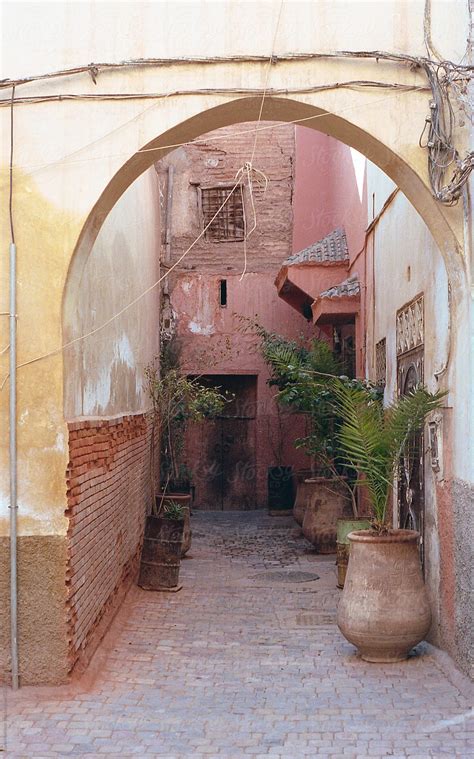
At the core of Marrakesh lies its medina, a UNESCO World Heritage site that is a labyrinth of narrow streets, vibrant souks, and historical landmarks. Walking through the medina feels like stepping back in time, with its maze of alleys leading to hidden treasures.
Read also: Morocco's Wealthiest City
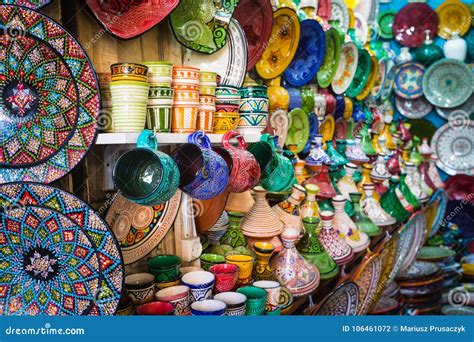
The souks are filled with merchants selling everything from traditional Moroccan carpets and textiles to spices, jewelry, and leather goods. It’s the perfect place to haggle and experience the lively atmosphere that defines Marrakesh. For shoppers, Marrakesh's souqs are the best place to visit in Morocco, offering the full scope of the country's artisan work.
One of the most famous locations in the medina is Jemaa el-Fnaa, a bustling square that comes alive at all hours of the day and night. During the day, you’ll find snake charmers, acrobats, and story-tellers, while in the evening, the square transforms into a food lover’s paradise with rows of food stalls serving up Moroccan delicacies like tagine, couscous, and freshly squeezed orange juice.
Djemaa El Fna
This large square at the entry to the medina is the center of Marrakesh life. An evening spent here wandering between the acrobat troupes and local musical groups is a truly Moroccan experience. At sunset, the northern section of the square fills with stalls serving cheap meals and snacks.
It's also easy to escape the chaos of the square for a time-out at one of the many cafés that rim the square. Many of these cafés also offer the best panoramic views of all the Djemaa El Fna action from their rooftops.
Historic Landmarks and Majestic Palaces
Marrakesh is home to some of Morocco's most important historical landmarks. One of the most visited is the Koutoubia Mosque, an iconic symbol of the city. With its 77-meter minaret, the mosque is the largest in Marrakesh and is visible from many parts of the city.
In 1147, shortly after the city's conquest, Abd al-Mu'min founded the Kutubiyya Mosque (or Koutoubia Mosque), next to the former Almoravid palace, to serve as the city's new main mosque. The Almoravid mosques were either demolished or abandoned as the Almohads enacted their religious reforms.
Although non-Muslims cannot enter the mosque, the surrounding gardens offer a peaceful escape and a great view of the minaret. Local Marrakesh legend tells that when first built, the muezzin (man who calls the faithful to pray) for this mosque had to be blind, as the minaret was so tall, it overlooked the ruler's harem.
The mosque was built in 1162 and is considered one of the great achievements of Almohad architecture. The archaeological excavation area on the northwest side of the minaret displays the foundations of the earliest mosque built on this site. It was destroyed by the Almohads and replaced with the current mosque.
The Bahia Palace is another must-see. This grand 19th-century palace is a masterpiece of Moroccan architecture, with intricately decorated rooms, beautiful courtyards, and lush gardens. It provides a glimpse into the luxurious lifestyle of the Moroccan elite in the past.
For those interested in learning more about the city's history and culture, the Marrakesh Museum and Dar Si Said Museum offer impressive collections of Moroccan art, historical artifacts, and textiles.
This magnificent peacock of a palace was built in the late 19th century as the residence of the Grand Vizier Bou Ahmed, who served Sultan Moulay al-Hassan I.
The ruins of Al-Mansour's once grand palace are one of the kasbah area's most atmospheric sights. The Saadian ruler built the opulent palace, with pavilions set amid a mammoth garden of reflective pools, during his triumphant reign, but it was plundered and destroyed soon after.
This 16th-century burial ground is a testament to the grandeur of the Saadian dynasty, which ruled over Marrakech between 1524 and 1668. The tombs here are the final resting place for 66 members of the Saadian royal family, including that of the ruler Sultan Ahmad al-Mansour and his successors, along with their closest family members.
This lovely old palace built by Vizier Si Said is home to a wonderful collection of Berber jewelry in finely worked silver, oil lamps from Taroudant, pottery artifacts, embroidered leather, and marble.
The Marrakesh Museum has an eclectic collection ranging from contemporary art to Qur'anic inscriptions, with local ceramic work, textiles, and coins thrown in for good measure. For most visitors, the real highlight of a visit here, though, is the building itself. The museum is housed in the Mnebhi Palace, which was originally the residence of Mehdi Mnebhi (a minister in Morocco's government) but was later home to Pasha Thami Glaoui, ruler of Marrakesh. The architecture is a harmonious blend of local North African form with Portuguese elements.
Gardens and Oasis of Calm
After exploring the lively medina, visitors can seek peace and tranquility in Marrakesh’s beautiful gardens. The Majorelle Garden, a peaceful haven designed by French painter Jacques Majorelle, is one of the most famous gardens in Morocco. Its vibrant blue buildings, exotic plants, and serene pathways provide a welcome escape from the city's hustle and bustle.
Originally from the town of Nancy in France, Majorelle came to Marrakesh for health reasons and became well known for his paintings of local Moroccan life. His most famous work, though, was this garden and the vibrant blue (the color now known as Majorelle blue) painter's studio he lived in on the grounds.
After Majorelle's death in 1962, French fashion designer Yves Saint Laurent bought the property, and upon his death in 2008, his ashes were scattered in the gardens. Within the grounds, Majorelle's old painting studio is now home to a fabulous museum dedicated to Berber artistry.
Another serene spot is the Menara Gardens, which offers panoramic views of the Atlas Mountains and a large reflecting pool. This 12th-century garden is perfect for a leisurely stroll or a peaceful picnic.
This huge garden, once a royal retreat, is a bubble of serenity hidden right in the heart of Marrakesh. It's a favorite spot for locals who want to escape the hustle and enjoy some peace and quiet. The majority of the area is taken up with olive groves, but for visitors, the main attraction and reason to come here is the large reflective pool with its fine pavilion. The gardens date back to the 12th Century, but the current pavilion was built in the 19th Century.
The Vibrant Souks and Markets
Marrakesh is famous for its markets, where visitors can find an array of traditional Moroccan products. The souks are divided into different sections, each specializing in particular goods, from spices and textiles to metalwork and pottery. The most famous souk is the Souk Semmarine, where you’ll find everything from intricately woven carpets to beautiful leather bags.
The medina is also home to the Marrakesh Tanneries, where leather is dyed in colorful vats. It's a fascinating sight, though the smell can be strong. A visit to the tanneries is an opportunity to witness an age-old tradition and gain insight into the craftsmanship behind Morocco’s leather goods.
Marrakech's tanneries district, nestled in the northeastern part of the Medina, offers a raw and authentic glimpse into one of the city's oldest crafts. While smaller than its famous counterpart in Fes, it is equally atmospheric and visually striking. To witness the tanners actively at work in the colored vats of dye, it's best to visit in the morning. For photographers, there are great views over the entire area from some of the leather workshops, which rim the tanneries.
Dining in Marrakesh: A Culinary Delight
The food in Marrakesh is an essential part of the city's experience. Traditional Moroccan cuisine is a flavorful blend of spices, herbs, and fresh ingredients. The tagine-a slow-cooked stew made with meat, vegetables, and spices-is a must-try dish, as is couscous, a staple of Moroccan meals.
For a true taste of Marrakesh, head to the Jemaa el-Fnaa food stalls, where you can sample an array of street food, including brochettes (grilled skewers), msemmen (Moroccan flatbread), and harira (a rich soup made with chickpeas, lentils, and meat). In the evenings, the square becomes a vibrant open-air restaurant with food stalls offering delicious Moroccan specialties.
Vibrant Culture and Nightlife
Marrakesh is a city of art and culture, with a growing contemporary arts scene. The El Badi Palace offers a glimpse into the city's past glory, while contemporary art galleries, such as The David Bloch Gallery, showcase the work of local and international artists.
For those looking to experience Marrakesh after dark, the city has a lively nightlife scene. From traditional Berber music in intimate venues to rooftop bars with stunning views of the city, Marrakesh offers a variety of ways to unwind and enjoy the evening.
Marrakesh is a city that effortlessly combines the ancient and the new.
Tips for Visitors
Here are some essential tips for visitors to Marrakech:
- Crossing a street can be very challenging in all of Morocco.
- The currency used is the Moroccan Dirham.
- Morocco is a budget-friendly destination.
- Tipping is not generally expected, but feel free to leave extra when you receive exceptional service.
- You will need a valid passport and a travel power adapter if you are from the United States.
- There is a Moroccan tradition of drinking mint tea, often served in pretty glasses.
- There are quite a few restaurants and entertainment options.
- Restrooms are available in some shops and restaurants. Many public bathrooms in Morocco will ask for a few dirhams to use it.
- You could spend anywhere from a couple of hours to a couple days exploring here.
- Throughout Morocco, bargaining is a common practice. Always bargain for the best price.
- Alcohol is not served in all restaurants or hotels.
- The primary languages spoken in Marrakech are Arabic, Berber, and French, with some English and Spanish.
- The Islamic call to daily prayers can be heard five times a day delivered from a minaret and can be heard across neighborhoods as a reminder.
Presently, the city’s main economy is based on tourism, as well as agricultural products, exported mainly to Europe and its vegetable canned food. It is the region’s commercial centre and where the minerals that are extracted from the Atlas are transported from.
Real estate and hotel development in Marrakesh have grown dramatically in the 21st century. In the 21st century, property and real estate development in the city has boomed, with a dramatic increase in new hotels and shopping centres, fuelled by the policies of Mohammed VI of Morocco, who aims to increase the number of tourists annually visiting Morocco to 20 million by 2020.
Marrakesh is served by Ménara International Airport and by Marrakesh railway station, which connects the city to Casablanca and northern Morocco. Marrakesh has several universities and schools, including Cadi Ayyad University. A number of Moroccan football clubs are here, including Najm de Marrakech, KAC Marrakech, Mouloudia de Marrakech and Chez Ali Club de Marrakech.
The city is located in the Tensift River valley, with the Tensift River passing along the northern edge of the city. The Ourika River valley is about 30 kilometres (19 mi) south of Marrakesh. The city has expanded north from the old centre with suburbs such as Daoudiat, Diour El Massakine, Sidi Abbad, Sakar and Amerchich, to the southeast with Sidi Youssef Ben Ali, to the west with Massira and Targa, and southwest to M'hamid beyond the airport.
Marrakesh features a hot semi-arid climate with long, hot dry summers and brief, mild to cool winters. Average temperatures range from 12 °C (54 °F) in the winter to 26-30 °C (79-86 °F) in the summer.
According to the 2014 census, the population of Marrakesh was 928,850 against 843,575 in 2004. Marrakesh is a vital component of the economy and culture of Morocco. Improvements to the highways fr...
Whether you're wandering the bustling souks, relaxing in a tranquil garden, or savoring a delicious Moroccan meal, Marrakesh offers an unforgettable experience for every traveler.
Popular articles:
tags: #Morocco
