The Masai Mara, often called the Jewel of Africa, is a renowned national reserve in Kenya bordering the Serengeti in Tanzania. ‘Mara’ means ‘spotted’ in the Maa language, spoken by the Maasai people, the area’s ancestral residents. This refers to the landscape dotted with acacia trees, indentations, and craters when viewed from afar.
The Masai Mara is the most popular safari destination in East Africa, along with the Serengeti in northern Tanzania. It is the site of the Great Migration, where over 2 million zebras, gazelles, and wildebeest travel from Serengeti to the Masai Mara each year. Thousands of visitors come to the Mara annually for some of the most authentic safari experiences in Africa.
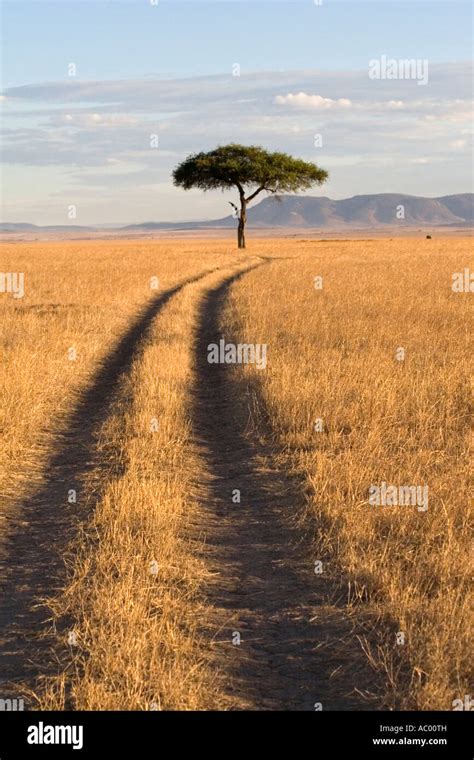
The iconic landscape of Masai Mara
Understanding the Masai Mara
Located in Kenya's South West, the Masai Mara National Reserve covers just over 583 square miles. The landscape is dotted with thorn trees, kopjes, and craters, and the reserve is drained by its major rivers: the Sand, Talek, and Mara Rivers. The Mara River provides the chief obstacle for the wildebeest herds to cross at about mid-year but smaller break-away groups also cross the Talek and Sand Rivers.
The Masai Mara is a large ecosystem made up of the Masai Mara National Reserve, a number of private conservancies, as well as many traditional Maasai villages. In the 1510 km² Masai Mara National Reserve, you will find rolling hills and vast savannahs. The wildlife is abundant here. Your game drives in the reserve must stick to the designated roads/tracks - and no night game drives are allowed. The reserve is the best place to be during the migration season as the Mara and Talek rivers flow through and provide the stage for the incredible river crossings. The main reserve is much bigger than the private conservancies - so there is a lot to explore and the landscape is breathtaking.
Read also: Kenya Safari Experience
The Mara Reserve vs. The Greater Mara Conservancies
When you visit the Masai Mara, it’s important to know the different areas you can stay and safari in. You can stay inside the Mara Reserve, or further out in the Greater Mara Conservancies. The wildlife inside the reserve is truly spectacular. There is a huge population of resident wildlife - elephant herds, hippo, crocodile and big cats in particular. Inside the reserve, you are limited to only game drives, but you could be out on the safari vehicle for up to 8-9 hours each day. The Mara Rivers are great places to be around, for both resident game viewing, and the opportunity to see the Mara River Crossings (usually August/ September/ October).
The main reserve is much bigger than the private conservancies - so there is a lot to explore and the landscape is breathtaking. The private conservancies in the Masai Mara are protected areas that sit adjacent to the main Mara Reserve. These conservancies are owned and managed by local Maasai communities or private entities - and they represent the best of community and tourism collaboration. The reserves have their own resident game and many also act as wildlife corridors for animals moving to and from the main reserve.
The private conservancies in the Masai Mara are protected areas that sit adjacent to the main Mara Reserve. These conservancies are owned and managed by local Maasai communities or private entities - and they represent the best of community and tourism collaboration. The reserves have their own resident game and many also act as wildlife corridors for animals moving to and from the main reserve.
The conservancies follow different rules to the main reserve - you can drive off-road and head out on night game drives in search for the Mara’s nocturnal species like aardvarks and bush babies. You can also do walking safaris with expert local guides. During peak season, the main reserve can get busy and you will notice lots of other safari vehicles around.
The Mara conservancies are the best option for those wanting a secluded safari experience, as guest numbers are strictly limited on a number of acres per-guest basis. Conservancies also offer a more flexible approach to the safari experience, with walking safaris, horseback riding, off-roading and night game drives available (all of which are not allowed in the reserve).
Read also: Your Guide to Masai Mara Camps
Because they are tribal lands, you will pass the occasional Maasai manyatta or village and even large herds of beautiful and beloved Maasai cattle. Conservancies also offer a more flexible approach to the safari experience, with walking safaris, horseback riding, off-roading and night game drives available (all of which are not allowed in the reserve).
Go2Africa works with safari partners in the national reserve and several conservancies. Visitors in the conservancies can venture into the reserve but those staying in the reserve cannot venture into the conservancies, making the conservancies a far more exclusive and private experience, especially during the height of the Migration. Some of the best accommodation is found in the Mara Triangle, Olare Orok, Naboisho and Ol Kinyei conservancies.
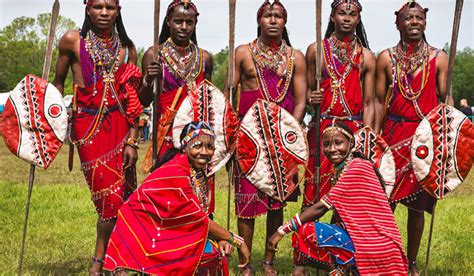
Masai People
Planning Your Visit
Kenya's capital and central transport hub is Nairobi, which is about 224 kilometers or 139 miles from the Mara's eastern-most border. Safari goers usually fly into Jomo Kenyatta International Airport, then catch connecting flights from the next-door Wilson Airport to the Mara's various airstrips. The easiest and most common way of getting from Nairobi to the Masai Mara is by small plane.
Driving is possible - it’s a 5-6 hour journey along (mostly) tarmac roads - with some bumpy sections as you get closer to the Mara. The main benefit of driving is that it means you'll get a private vehicle throughout your safari in the Mara. On a good day with light traffic leaving Nairobi it’s possible to drive from the city to the Sekenani gate in just five hours. However, a day of light traffic around Nairobi is as rare as a squat giraffe so allow a full day for the journey.
Read also: Flying to Masai Mara
Mara tours are often ‘fly-in' itineraries to maximise your time on safari. Most travellers fly into Nairobi's major international airport, Jomo Kenyatta International, and catch a short-haul flight from nearby Wilson Airport to the Mara's various airstrips. From there you'll be transferred to your camp or lodge by 4×4.
The Masai Mara offers superb wildlife viewing year-round. The best time to visit the Masai Mara depends on what you want: wildebeest migration or wilderness feel.
The Masai Mara can be visited year-round, but there are a few factors to keep in mind to get the most out of your experience depending on your interests, budget, and priorities. From a wildlife perspective, the Masai Mara will not disappoint, regardless of when you visit.
The density of resident wildlife in the main reserve (and its surrounding conservancies) remains consistent throughout the year, meaning there is always plenty to see.
7 things you need to know before going on safari to the Masai Mara!
Best Time to Visit
There is no real ‘best time' to go to the Masai Mara for general game viewing, thanks to its abundant wildlife and mild climate. It is renowned as a year-round safari destination because there's almost always something to see on the Mara's wide and open plains. The only time when it's not ideal to travel is during Kenya's ‘long rains' (about April to June).
Peak Season (Mid-June to September): This period marks the Mara's peak season, coinciding with the popular wildebeest migration. While witnessing millions of wildebeests can be captivating, it draws a significant number of tourists to the area. Mobile Camps near the river become expensive, and the landscape is filled with countless safari vehicles.
Alternatively, travelling to the Masai Mara in the ‘shoulder seasons' (about November and May-June) means that you'll enjoy mild temperatures and excellent general game viewing.
The Masai Mara, or the Mara, as most Kenyans call it, is a beautiful national reserve in Kenya that borders the Serengeti in Tanzania. The Great Migration is the world's largest migration of wildlife. The event takes place from July to October each year. Over 2 million mammals make their way from the Serengeti in northern Tanzania where the dry grasslands can no longer sustain them.
The peak season in the Masai Mara. It’s the long dry season so low chances of rain and consistently clear skies. This is migration season. Over the course of the season, over 1.5 million wildebeest, zebras and gazelles make their way up from Tanzania into the Mara.
Low Season (March to May): This is the time of the year with the most rainfall, so prepare to get stuck in the mud. However, for the reliant adventurer, this period presents an excellent opportunity to explore the Mara with good wildlife viewing and fewer crowds.
Kenya offers warm weather year round, the Masai Mara can be visited throughout the year, but there are some months we’d recommend avoiding. The rainy season of April and May are very wet, with heavy downpours usually lasting the whole day and well into the night. If you would like to see the great migration, you should visit the Masai Mara between August and October.
June is perhaps my overall favourite month. Everything is green after the rains and it's nice and cool with far fewer tourists than July, but the first migrant wildebeest might start to arrive (it all depends on rains and the state of the grass).
February is a very good time for safari in the Masai Mara, but also very different to the experience in June and July. It's hotter and drier in February and generally there are fewer other tourists. There will still be plenty of zebra and wildebeest around but these are the non-migrating resident herds, so they don't form the massive iconic herds that you might see on TV.
An excellent time to visit the Mara. The short rains have ended, leaving the plains lush and green. Many animals have their young during this period - you'll see baby gazelles, zebras, and even lion cubs. The resident big cats are highly active and wildlife is abundant.
The rains transform the plains into a landscape of lush greens and dramatic skies. Wildlife remains plentiful as the resident animals do not migrate. Many guides actually prefer this time of year because there are far fewer vehicles around and you feel like you have the place to yourselves.
A transition month sitting between the long rains (ending in May) and the start of the long dry season (starting in July). The rains taper off, though you might still catch the occasional shower. The landscape is still lush and green, with tall grasses and gushing rivers. Resident wildlife is thriving thanks to the abundant vegetation. The big cats - lions, leopards, and cheetahs - can be harder to spot due to the long grass, but you'll often find them on termite mounds or rocks where they perch to survey their surroundings.
Another transition month as the short rains ease up by mid-month. In the first half of December you may still see some scattered showers, but by late December you’ll have clear skies with scattered clouds creating stunning sunrises and sunsets. The landscape is verdant from November rains, but easier to navigate.
Wildlife in the Masai Mara
The classic Mara landscape is golden savannah: flat grasslands with plentiful grazing and the perfect terrain for cheetahs to chase down an unlucky Thomson's gazelle. The Mara-Serengeti ecosystem is the theatre in which one of the greatest shows on Earth is staged every year. From about July, two million wildebeest traverse the Mara River into the Masai Mara National Reserve to feast on fresh and succulent savannah.
The Mara's ecosystem supports one of Africa's highest year-round densities of big cats. It's common to see multiple prides of lions, resident leopards, and cheetah families all in a single day. The Mara is one of the few places on earth where you can reliably spot all of the Big Five (lion, leopard, elephant, buffalo, and rhino) across a few days (and sometimes all in one day!).
Although some rhino still live in the Masai Mara, they are actually quite difficult to find. A bonus of the Mara's flat, wide and open plains is that cheetah are perfectly adapted to it and this a great place to see them.
All of Africa’s Big Five can be found in the Masai Mara - lion, rhino, buffalo, leopard and elephant. Big cats are found in abundance too. The Mara supports one of Africa's highest lion densities. Most guests will leave the Mara having seen a lion pride, if not more than one. Leopards are regularly spotted in the riverine forests, particularly along the Talek and Mara rivers. Cheetahs favour the open plains, and are typically seen atop a termite mound scanning the horizon for far off prey! On night drives in the conservancies, caracals and wildcats can also be spotted.
Density of Wildlife Compared to parks like the Serengeti, the Mara is a relatively small park which means it has one of the highest wildlife densities anywhere in the world.
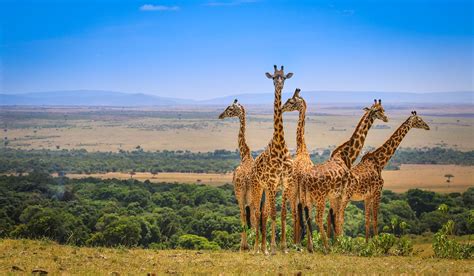
Wildlife in Masai Mara
For elephants, expect to encounter multiple matriarchal herds daily, often 20-40 individuals strong. The bull elephants can be found leading mostly solidarity lives in and around the family herds. Buffalo are equally abundant and herds of 200+ are common. Black rhinos are highly protected in the Mara and are often difficult to spot. There are no white rhinos in the Mara. There are hundreds of resident plains zebras and blue wildebeest even outside migration season, when their numbers swell to over a million. Masai giraffes are common, usually in family groups of 6-12. Both Thomson's and Grant's gazelles dot the plains in large numbers, alongside topi, hartebeest, and impala.
For predators beyond big cats, there is a healthy population of spotted hyenas, they are often seen at dens with cubs or tussling with jackals and lions. Smaller carnivores like bat-eared foxes and servals are regularly spotted. Along the rivers, there are large pods of hippos and some of Africa's largest crocodiles.
Bird life is spectacular, with over 470 recorded species. From ostrich to weaver birds, birders will also delight.
Accommodation Options
Accommodation in the Mara can range from no-fuss mobile camps that move with the Wildebeest Migration to old-style tented camps and very luxurious family-friendly lodges. The Mara has a huge range of accommodation options. In fact, with over 300 registered camps and lodges, many conservation experts fear that there is too much tourism development.
If you are looking for a really authentic safari experience, then canvassed tented camps are a great option. These can offer all types of luxury, with some of the most luxurious camps offering free-standing baths, outdoor showers, private butlers, and more. For those looking for something larger, there are lodges that offer more facilities like swimming pools, gyms, and libraries.
These conservancies have vastly expanded the amount of land under some kind of protection. Remember also the high prices aren’t just paying for the uniformly magnificent accommodation and superb safari experience but a great bulk of what you’re paying contributes to leasing the land and devoting it to conservation.
All of the conservancies are superb but some names are Naboisho, Mara North and Nashulai Maasai Conservancy (this last one being slightly cheaper than the others and lots of focus on meeting local people). As for actual camps you cannot go wrong with any of them. All the conservancy camps are superb. I'm a big fan of the Basecamp offerings, Off-Beat and Kicheche.
Activities and Experiences
The Masai Mara Game Reserve offers varied tour activities to explore the plains landscape and see incredible animal behaviors. The adjoining conservancies offer distinct activities that are not allowed in the reserve. Game drives in the reserve are perfect for guests who want to be immersed in Kenya’s bush country and see larger animals. Game drives take place in the early morning and late afternoon. This is when the animals are most active due to the cooler temperatures. This also coincides with sunrise and sunset which creates stunning backdrops as you drive through the vast plains.
The day usually begins with an early wake up around 5:30am. After some coffee and a light bite to eat, you’ll jump into the Landcruiser just after sunrise. The sun sits low on the horizon and blankets the savannah in soft, golden lighting. As the temperatures start to pick up (and stomachs start growling) - you’ll head back to your lodge for a full breakfast around 10 am. The middle of the day is spent enjoying the lodge - taking a dip in the pool, soaking up the views (it’s not uncommon to spot wildlife wandering within eyesight of your lodge!), or taking a nap before heading back out into the bush.
Safari vehicles are customised Landcruisers that guarantee unobstructed views of the wildlife - so as you game drive through, you’ll spot animals at all distances, from metres away to far in the distance. You can often find yourself just metres away from the wildlife. The big cats generally ignore the safari vehicles completed, treating them as part of the landscape - it's quite common for a pride of lions to be resting in the shade just metres from the track, or elephants to be crossing the road in front of you.
For guests who are interested in observing the nocturnal animals, we recommend night game drives in one of the private conservancies. Most conservancies offer bush walks to give you an intimate look at the micro-ecosystems of the area. To complement these walks, we recommend a balloon safari for a bird’s-eye view of the area. The safari vehicles and guides used in the conservancies are absolutely the best in the game and the wildlife populations are the equal of the actual reserve.
One of the best ways to understand the sheer scale of the Mara is with a hot air balloon safari. These take the place of one of your morning game drives. You’ll be up early with a quick coffee before transferring to the balloon launch site. You’ll then board the balloon and begin the flight which lasts for around an hour.
The Maasai community is key to the advancement of wildlife management in the area. The Maasai people are known globally for their vibrant red robes and tremendous bravery as fierce warriors in the wild. Conservancy operators lease the land from local people and each local family receives a guaranteed monthly payment. The conservancy also provides employment and sets up development projects. People continue to graze their cattle but in a more controlled manner.
Popular articles:
tags: #Kenya
