Moroccan rugs are a testament to a mesmerizing culture, where vibrant colors and intricate patterns become a visual language for stories that span centuries. Drawing influences from Islamic, Spanish, and French cultures, Moroccan rugs epitomize the beauty of natural organics and the artistry of hand craftsmanship. Every Moroccan and Moroccan-style rug connects to the traditions and narratives of North African artistry.
Moroccan rugs, also known as Beni Ourain rugs, are a type of handmade wool rug that originate from the Atlas Mountains in Morocco. These rugs are known for their unique and intricate designs, as well as their high-quality craftsmanship. They have gained popularity in recent years as trendy home decor items and are often used to add a bohemian or global touch to a room.
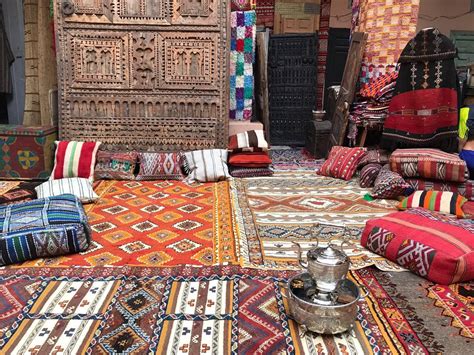
The History and Cultural Significance
Moroccan rugs have a long and rich history dating back centuries. They were originally made by the Berber people, who are indigenous to the Atlas Mountains region of Morocco. The design of Moroccan rugs is heavily influenced by the Berber culture and the environment in which they live; hence the rugs often feature geometric patterns and symbols that have cultural significance to the Berber people. In the past, Moroccan rugs were primarily made for practical purposes, such as to keep warm in the cold mountain winters or to mark the boundaries of a tent.
Many Moroccan rug motifs carry symbolic meanings that represent protection, fertility, and prosperity. This spiritual connection powerfully informed the design and construction of Moroccan rugs. Early motifs, still popular design elements today, were incorporated as forms of protection to ward off malignant spirits.
Originally woven by women and always by hand, Moroccan rugs connected Berber tribes with the broader world. Meticulously hand spun wool was dyed with time-honored recipes crafted from ingredients such as fruit, spices, and local minerals. Authentic Moroccan rugs remain true to their traditions. However, the significance of Moroccan heritage persists in the hand woven Moroccan-style rugs crafted.
Read also: Unforgettable Safari at Lion Sands
The Art of Weaving
The process of weaving a Moroccan rug is a balance of creativity and artisanship, where each step contributes to the rug’s cultural significance and artistic polish.
- Rooted in centuries-old traditions, Moroccan-style rugs feature distinctive patterns and designs that span a diverse spectrum.
- Choosing the right material is paramount. Local sheep provide the wool, prized for its durability and softness, which is spun by hand to form the foundational yarn for these rugs. Traditionally, Moroccan rug weavers may have incorporated silk or cotton to enhance the texture.
- The dyeing process is an art in itself. Locally sourced ingredients such as spices, minerals, and fruits create vibrant dyes that transform the raw wool into multi-colored skeins. This step is where the wool takes up various hues that captivate the eye and make it possible for the weaver to tell stories in the rug.
- Moroccan rugs typically use the traditional Berber knot, a meticulous hand knotting method that contributes to the plush, high-pile texture.
- As the weaving nears completion, the weaver trims excess fibers, secures the knots, and inspects the rug for resilience and consistency.
Distinctive Styles of Moroccan Rugs
“Moroccan Rug” is a catchall term for a vast array of rug types. Weaving techniques vary across tribes, regions, and villages. Since the weaving craft is taught by elders, the style of each tribe or region often reflects the climate, needs, and customs of that particular community. Artisans in the snowy Atlas Mountains specialize in thicker rugs than the artisans who reside in the desert, for example. This variation continues throughout every weave choice-from the animals the wools are harvested from and the dye ingredients available to the local symbols and traditions.
Here’s a guide to the major styles of Moroccan rug types:
- Beni Ourain: Beni Ourain rugs are the pinnacle of Moroccan artisanship, known for their long pile and distinctive monochromatic geometric patterns. Originating from the Atlas Mountains, these rugs are traditionally woven by Beni Ourain tribes and reflect their nomadic lifestyle and cultural symbols.
- Azilal: With a burst of vibrant colors and abstract patterns, Azilal rugs tell unique stories through asymmetrical designs, demonstrating the individual weaver’s expression and the influence of their surroundings.
- Boucherouite: Boucherouite rugs, also known as “rag rugs,” symbolize Moroccan resourcefulness and creativity. These rugs were traditionally crafted from recycled materials, including fabric scraps, and embrace a multitude of colors and patterns.
- Kilim: While not exclusive to Morocco, Kilim rugs hold a significant place in the landscape and history of the region.
- Boujad: Boujad rugs originate from the Haouz region and are renowned for their intricate and expressive designs. Striking reds, pinks, and oranges often feature prominently. Each Boujad rug is a unique woven creation that captures the spirit and individuality of its weaver.
how to choose the perfect sized rug for your room!
Other Moroccan Rug Styles
Here's a deeper look into some more Moroccan rug styles:
Read also: The Cocoa Industry of Ivory Coast and Ghana
- Flatweave: Flatweave rugs are thin, soft, strong, and full of symbolism. They’re also called “hanbel” or “aknif” in Arabic.
- Intricate Hanbel: This style is thought to originate from the area in and around the Village of Tazenakht, a region rich with weaving history. While the majority of this weave is flat, the design accents are either embroidered or have a slightly higher pile, giving this piece texture and dimension. Every design element comes entirely from the artisan’s imagination. The design elements within this technique tend to depict an array of symbolism in the Amazigh culture.
- Kilim: The Kilim style originates from the Middle Atlas Mountain region. These rugs carry symbolism unique to the indigenous tribes weaving them. Many Kilim designs are interpretations of a popular window dressing in Moroccan homes. The window dressings are made from intricate latticework and stained glass surrounding oriel (or bay-style) windows. The result is a beautifully ornate exterior that creates shade and privacy while allowing natural light to enter the home. Some Kilim weaves mimic this style with intricate geometric patterns.
- Zanafi: The Zanafi weaving technique comes from the High Atlas Mountains. This technique requires the highest level of skill and concentration. Each row is created with an intricate system of counting. This style is extra special because it's reversible; on each side, the colors of the symbols are inverted. The Zanafi rug is also known for its side tassels but can be woven without them on request. While the more traditional Zanafis are made in the Southeast, there is a Zanafi technique that has been interpreted by the weavers of the Middle Atlas Mountains in the North. The big difference with this interpretation is that they are not reversible. They also don’t have side tassels.
- Zemmour Hanbel: Originating in the Middle Atlas mountains, Zemmour Hanbel rugs are made with the thinnest of sheep's wool yarn. This labyrinth-like weaving technique requires acute focus and skill. As with other intricate weave styles, each symbol in the Zemmour Hanbel design is created with a meticulous system of counting. You’ll always find something new to admire in these detailed pieces.
- Kharita/Tazenakht: This rug style has a few different names: Golden Fingers, Kharita ("map" in Arabic) or Tazenakht. This complex weaving technique is usually made by the senior members of the village. The design consists of a maze of geometric shapes that are reflected on both sides, making the weaves reversible. These flatweaves are also incredibly strong and will withstand the test of time.
- Boucherouite: Pronounced boo-shay-reet, these lively pieces are made from yarn, recycled clothing, or even textile scraps, giving them a lush, high pile. Boucherouite rugs are often used in weavers’ own homes.
- Handira: Known to Westerners as wedding blankets, Handiras are usually made by a bride’s female relatives or the women of her village. Traditionally, brides wore the blankets as capes on their way to the wedding but these days, they’re used to wrap gifts for the newlyweds. The blankets are a symbolic blessing for the marriage, and after the wedding, they’re often passed on to other couples to continue to share the blessings and joy.
- Medium to High Hand-Knot: There are many rug styles that can be classified with the medium to high hand-knot category - like the Boujad, Azilal, Beni Ourain, Beni M'rirt, and Marmoucha styles to name a few. The majority of these rugs come from the Middle Atlas and High Atlas Mountains. The local sheep in these colder climates have a thicker coat to sustain them during the winter months, which impacts the thickness of the wool, and in turn, contributes to the height of the pile.
- Low Hand-Knot: The low hand-knot style of rug most often comes from the Southeastern tribes in and around the Siroua region. The pile of these rugs is much shorter than the hand-knot rugs from the north. One significant difference in technique with these rugs is that the artisans usually pre-cut the wool prior to weaving on the loom, while the women in the north cut the wool after looping it around the loom.
- Mixed Technique: Mixed weaving techniques are a modern development, where artisans will bring multiple techniques together in one weave. The combinations could be endless, either combining two techniques such as Zanafi and hand-knot, or three techniques, like hand-knot, flatweave, and Zanafi. These rugs usually showcase quite modern designs.
- Glaoui: The Glaoui technique is named after the Glaoua (Glawa) tribe of Southern Morocco. Glaoui is an extremely technical weave as it incorporates three techniques: Hand-weaving, Hand-knotting, and Hand-embroidery.
- Vintage: Vintage rugs can come in any style. These pieces were usually made by grandmas or great-aunts and then passed down through generations. Most vintage rugs you will find in local Moroccan markets are purchased by traveling brokers, who visit neighboring villages and buy up all the pieces they can in one transaction.
- Tuareg Mats: Tuareg Mats are woven by the Taureg tribe. They’re often mistakenly referred to as “Moroccan.” While the Tuareg tribe is part of the Amazigh nation, it stretches across many countries, including parts of Mali, Mauritania, and Burkina Faso to name a few. Tuareg mats are both extremely lightweight and durable, making them great for both floors and wall hanging. The base of a Tuareg mat is reed sourced from the Senegal River. The decorative motifs are woven into the reeds with strips of goat and camel leather. While the leather is usually kept natural, some tribes are known to dye their leather with local plants and spices to derive vibrant red and green hues. Each mat is one-of-a-kind and tells a unique story from the artisan.
Assessing Quality and Authenticity
Assessing the quality of a Moroccan-style rug involves an appreciation for the authenticity of its materials, its artisanship, and the enduring vibrancy of its colors. The hallmark of a high-quality Moroccan rug is its materials. Genuine Moroccan and Moroccan-style rugs are crafted from premium wool to ensure durability, softness, and an authentic feel underfoot. The choice of materials, from the quality of the wool to its origins, contributes to the rug’s texture and overall quality.
A key indicator of authenticity and quality lies in the rug’s creation. Quality Moroccan rugs are meticulously hand woven, knot by knot, by skilled artisans. These rugs feature charming irregularities in the weave and subtle variations in pattern, which serve as signs of the human touch.
The vibrancy of Moroccan-style rug colors should be striking and enduring. Colorfastness is a crucial quality criterion. This ensures that the rich hues withstand the test of time and exposure to light.
Purchasing a Moroccan Rug
Considering rich history and cultural significance of Moroccan rugs, they are a true work of art and unique addition to any home. If you’re interested in purchasing one, there are a few things to consider. First, be sure to choose a reputable seller to ensure that you are getting a high-quality, authentic rug.
Moroccan rugs are traditionally made with wool, but you can also find ones made with cotton, silk, or a combination of materials. You should also consider the size and style of the rug to ensure that it fits in with your decor and meets your needs. Moroccan rugs come in a wide range of sizes, from small throw rugs to large area rugs. Consider the size of the room where the rug will be placed and choose a size that will fit well in the space.
Read also: Head-to-Head: Nigeria vs. Ivory Coast
When searching for Moroccan rugs for sale, it is important to consider reputable sources.
Shopping for a Rug in Marrakech
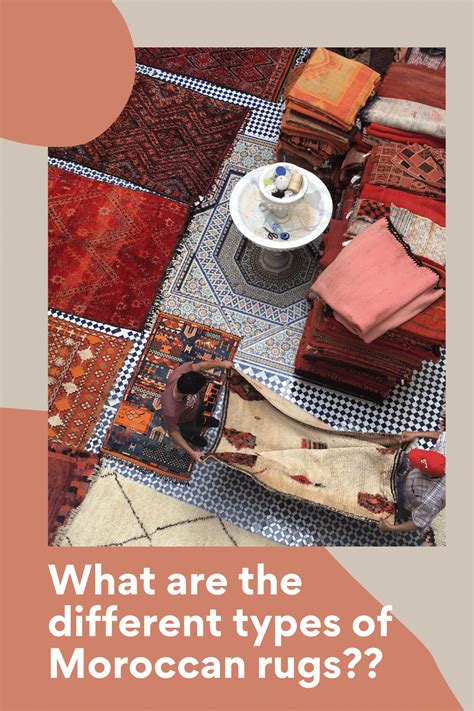
Buying a rug in Marrakech can be a really fun experience, but it also can be overwhelming. There are SO many to choose from that after a while they can all start to blend together. Have an idea of colors that you do or do not like. If for example you’ve seen a few orange rugs and hate them, let the vendor know you don’t want to see any more rugs with orange.
Here are some tips to keep in mind when you are shopping in Marrakech:
- Do not, I repeat DO NOT accept the price offered to you in the shop. Bargaining here is part of the game. You should eventually expect to meet somewhere around 50% of the original price.
- Love a rug? Don’t let the shopkeeper catch on to it or you’ve lost one of your biggest bargaining chips. Instead, act nonchalant. Also, don’t be afraid to walk away.
- Start by narrowing down the rugs you do like. The vendor will pull out rug after rug and lay them on the floor. When you’ve reached a point where you’re not sure anymore stop them. Ask to remove the rugs you do not like and set the ones that are “maybe’s” to the side. Keep in mind that the rooms you are viewing the rug in is likely to be a lot bigger than the room the rug will go in at home. Having open conversation and dialogue will not only help you find the rug that you want but will also help the vendor uncover which rug is the right fit.
- If you walk into a shop and are told a carpet is an antique Moroccan rug don’t automatically trust it, especially if you don’t know the difference. There is a whole industry of “aging” carpets that will be sold as antiques. If you really want to buy an antique you need to be sure to do your research, so you know what you’re getting. Chances are also pretty good you won’t find rugs here that date beyond the 1920’s or 1930’s. Even in the best condition, they’ll have natural fade and the fabric will be frayed. Remember rugs are used for practical, not decorative purposes. If you don’t know what you’re buying and don’t have a lot of experience with antique rugs I would encourage you to be very careful. Like with anything if you don’t know what you’re buying you can’t really judge the value of that item. For your purchase, you might consider something that you simply love vs.
- Authentic Moroccan rugs are made from wool. One way to tell if you’re getting a real wool rug or a synthetic is to hold up a lighter to one of the loose edges. If it doesn’t light or put itself out its made of wool. If it ignites it’s synthetic.
- I could get lost in rug shops for hours and if you’re not sure what you want you should too. But, don’t ask for prices until you find something that you do like. If you’re in a shop and are having a hard time deciding set aside a variety of items that you do like and start asking prices. If you’re really unsure what rugs will cost go to a fixed-price shop first. There are typically artisan centers in larger cities.
- The women are getting a pittance of the sale. You might say “oh it’s ok I’ll pay more because it will make a difference,” no I’m sorry but it likely will not. The women get a fixed price (trust me it’s not much) for their rugs and whether it sells for that price (not likely) or 100x more, they make the same amount.
Price Range
Prices vary based on age, style, design, condition etc. etc. A small rug may only cost you 750-1000 dirham. However an average price ranges in the 3500-6000 dirham range. An older vintage Berber rug or larger sized rugs can range from 10,000-25,000 dirham and more.
Caring for Your Moroccan Rug
As with any wool rug, Moroccan rugs require proper care and maintenance to keep them in good condition.
- Vacuum regularly. To remove dirt and debris from the surface of the rug, it is important to vacuum it regularly.
- Spot clean. If you spill something on your Moroccan rug, it is important to act quickly to remove the stain. Use a clean, damp cloth to blot the stain, and avoid rubbing the stain, as this can cause it to spread.
- Protect from direct sunlight. Moroccan rugs are made from wool, which is sensitive to UV light.
- Rotate your rug regularly. Moroccan rugs can become worn in certain areas if they are walked on repeatedly in the same spot.
- Professional cleaning. If your rug becomes particularly dirty or stained, it may be necessary to have it professionally cleaned.
Well-maintained rugs crafted from exceptional materials can last for decades. This hinges on whether they undergo adequate maintenance and regular cleanings and where they are placed in your space. Thorough washing of Moroccan rugs is best left to professionals.
Moroccan-style rugs are best kept in excellent condition through spot cleaning, as handwoven rugs can lose their shape or color if not properly cleaned. Gentle vacuuming is best. Use a low-suction vacuum or turn off the beater brush to prevent damage to the rug’s fibers. Gently brush a Moroccan-style rug with a soft-bristle brush to maintain its texture. Be sure to brush in the direction of the pile and avoid vigorous movements to prevent damage to the delicate fibers.
Incorporating Moroccan Rugs into Your Home Decor
The distinct allure of Moroccan-style rugs comes through in their rich colors, intriguing patterns, and cultural resonance.
- Moroccan rugs thrive in settings that derive style from a diverse range of design sources. Mix and match furniture pieces in different styles, such as mid-century modern or transitional styles, to contribute to a visually dynamic space.
- Let your Moroccan-style rug serve as a cultural ambassador for your space.
- Moroccan rugs shine when paired with low-slung furniture and pieces with a profile around five inches lower than typical. Consider placing your rug beneath a coffee table or arranging your seating area with pieces closer to the floor.
- Balance is essential with Moroccan-style rugs. If your rug boasts vibrant colors, opting for furniture and decor in neutral tones is often ideal to establish harmonious contrast.
- Moroccan rugs often work best in the company of other textiles, especially on the floor. Layer your rug over larger, neutral-toned carpets to enhance its prominence in the room. This adds depth but can also make a more modest-sized rug work in a larger room.
Moroccan rugs are artistic masterpieces, symbols of a rich and diverse heritage, and a versatile piece of design that can anchor any room and enhance its aesthetic appeal.
So why wait? Start shopping for your dream Moroccan rug today!
Popular articles:
tags: #Moroccan
