Are you considering investing in Ethiopia’s real estate market? This article provides a clear guide to help you navigate the property buying process with confidence. It answers the most frequently asked questions from foreign investors, addressing legal steps, tax implications, cultural differences, and common challenges.

Understanding the Ethiopian Real Estate Market
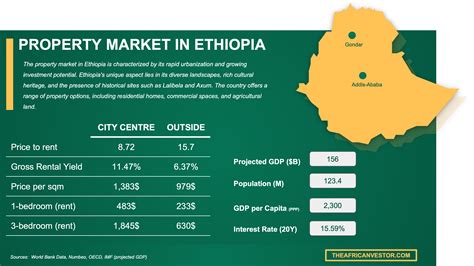
The Ethiopian real estate sector has experienced significant growth and development in recent years, driven by rapid urbanization, population expansion, and economic progress. The country’s real estate market is anticipated to grow at an annual rate of nearly 10% between 2024 and 2028.
A Team Specialized in Real Estate Investing in African Countries
The Africanvestor is a team of financial experts, legal professionals, developers, and local real estate specialists dedicated to helping people like you avoid mistakes when investing in real estate in a foreign place, particularly in Ethiopia. At The Africanvestor, we study the Ethiopian real estate market every day. Our team doesn't just analyze data from a distance-we're actively engaging with local realtors, investors, and property managers in cities like Addis Ababa, Dire Dawa, and Mekelle. Our process started with insights drawn from these conversations and what we observed firsthand.
We only include "things to know" that are backed by credible sources, solid context, and clear information. If we can’t find enough supporting data or context, we leave it out. There’s no point in sharing random assumptions about the market that don’t make sense or rely on questionable reports. We also use a touch of AI during the writing phase. This helps us make our explanations clearer and ensures there are no grammar or syntax mistakes. Our team has also created bespoke infographics that aggregate, summarize, and visualize key data trends, making complex information easy to understand and impactful.
Key Considerations for Foreign Investors
1) Focus on Urban Properties
In Ethiopia, you can't own rural land, but you can invest in urban properties, which are more accessible to foreigners. The Ethiopian Constitution states that all land is owned by the state, and citizens only have usage rights. This means that no one, not even Ethiopians, can own land outright, especially in rural areas. So, if you're dreaming of a countryside retreat, that's off the table.
Read also: Ethiopian Cuisine: Philadelphia Guide
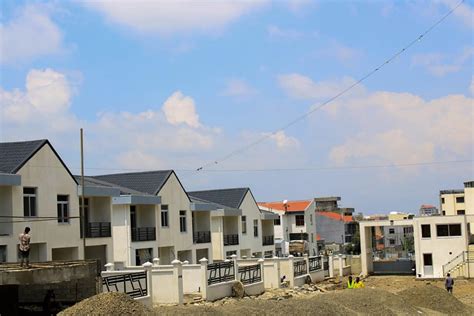
But don't worry, urban properties are a different story. Thanks to government regulations like the Investment Proclamation No. 280/2002, foreigners can lease urban land for investment purposes. While you can't own the land itself, you can lease it for a long time and build on it, making it a viable option for those looking to invest. Foreign investors are flocking to these areas due to factors like cheap labor and rapid urbanization.
2) Insist on Formal Contracts
In Ethiopia, many locals have traditionally preferred informal agreements for property deals. While these informal arrangements might seem appealing due to their personal touch, they often lead to numerous property disputes. Fraud and misrepresentation are also common in these transactions, with real estate being a hotspot for money laundering. This is especially true in urban areas like Sululta, where informal deals have contributed to unsustainable development patterns.
3) Be Ready for Cash Transactions
In Ethiopia, cash transactions remain a significant part of real estate deals, even with new banking laws in place. Despite the push for digital payments, only about 30.5% of Ethiopians have bank accounts, leaving a large portion of the population without access to banking services. This is particularly evident in rural areas, where 81.4% of adults are excluded from the banking system.
There's a cultural preference for cash, as digital payment infrastructure is not widespread in Ethiopia. People are accustomed to using cash, which remains a trusted and familiar method of transaction. The housing finance system in Ethiopia is underdeveloped, with more than half of the housing market financed informally through personal networks rather than formal mortgages. This makes cash transactions a practical choice for many. When buying property, be prepared for cash negotiations, as informal financing is common and often the most accessible option for many Ethiopians.
4) Stay Updated on Evolving Real Estate Regulations
In Ethiopia, the real estate market is buzzing with changes, especially in 2023 and 2024. Thanks to new laws, foreign investors can now own property without jumping through hoops. This shift has thrown open the doors to international buyers, making it a hot topic for anyone eyeing the Ethiopian property scene. One big change is the Real Estate Development and Real Property Marketing and Valuation Proclamation. It now requires developers to finish at least 80% of a project before selling any units, unless buyers agree otherwise.
Read also: Authentic Ethiopian Cuisine
The government isn't just sitting back; they're actively pushing reforms to make the real estate sector more efficient and trustworthy. They're laying down clear rules for licensing and valuation, which are crucial for keeping things transparent and sorting out disputes. For anyone looking to invest, it's important to know that the legal framework is still a work in progress. Keeping up with the latest regulations is essential to avoid any surprises down the road.
5) Avoid Properties with Unclear Titles
When buying property in Ethiopia, make sure the title is clear and undisputed. In Ethiopia, land disputes are a big deal, often ending up in court. The House of Federation has even invalidated land certificates in many cases, declaring sales illegal. This is a common issue due to the country's history of political instability and power shifts.
Investing in properties with unclear titles is risky. The lack of protection and the potential for legal complications make it essential to ensure your title is clear. This is especially true in rural areas where land rights are often overlooked. So, if you're considering buying property in Ethiopia, do your homework. Make sure the title is clear to avoid getting caught up in legal battles. Buying real estate is a significant investment. Don't rely solely on your intuition.
6) Conduct Thorough Due Diligence
The Ethiopian real estate market in 2023 and 2024 is known for its lack of transparency. One big issue is the absence of a comprehensive property database, making it tough to verify who owns what. In cities like Addis Ababa, the property identification system is still stuck in the past, relying on traditional filing systems that aren't well-organized. This makes it hard for people to get accurate and current property records, which increases the risk of fraud.
In Ethiopia, the real estate market isn't as clear-cut as in other places, so thorough due diligence is a must. This means double-checking everything to avoid getting caught in a bad deal.
Read also: A Taste of Ethiopia in South Carolina
7) Consider Properties with Sustainable Features
In Ethiopia, eco-friendly buildings are becoming increasingly popular. People are more aware of how traditional construction affects the environment, so they're looking for healthier and sustainable building options. The Ethiopian government is on board too, offering tax breaks and subsidies to developers who choose green construction. This support is a big reason why sustainable building practices are gaining traction.
Foreign investors are taking notice of Ethiopia's push for sustainable development. The country's growing economy and dedication to green practices are drawing in international capital. For anyone considering buying property in Ethiopia, this trend towards eco-friendly buildings is worth noting. It's not just about being environmentally conscious; it's also about tapping into a market that's supported by both local and international interests.
8) Explore Commercial Properties
This growth is driven by rapid urbanization, as the urban population is expected to nearly triple by 2037. More people in cities mean a higher demand for office buildings and retail spaces. The Ethiopian government is pushing hard for business growth, aiming for middle-income status by 2025. They're rolling out initiatives to attract foreign investments and improve infrastructure, which boosts the need for commercial properties.
In major cities like Addis Ababa, there's a notable shortage of commercial spaces. This opens up opportunities to convert existing properties to meet the demand. With the right investment, you can tap into this growing market and benefit from the increasing demand for commercial spaces.
9) Consider Properties in Areas Targeted for Infrastructure Development
The Ethiopian government is pouring more money into infrastructure than ever before. For the 2024-25 fiscal year, there's been a significant budget increase for infrastructure, with a big chunk going to capital expenditures. This means better roads, railways, and logistics, which are crucial for a country like Ethiopia that's looking to boost its economy.
Ethiopia is building Africa's largest airport, set to be completed by 2030. With these developments, areas around new infrastructure projects are likely to see a rise in property values. It's a good time to consider investing in these regions, as improved accessibility and economic activity can make them more attractive.
10) Expect Lengthy Negotiations
Despite technological advancements, property transactions still involve lengthy negotiations due to bureaucratic processes. Patience is essential when navigating Ethiopia's property deals.
The Ultimate Guide to Buying Real Estate in Addis Ababa: Key Considerations and diaspora Advice
Recent Policy Changes
In the coming months, Ethiopia will implement a significant policy shift by opening its real estate market to foreign investors. Previously, property ownership in Ethiopia was limited to Ethiopian citizens and the diaspora, which limited foreign investment in the sector. However, the introduction of new legislation will grant foreign individuals and entities the right to own property without specific investment requirements.
This new policy is a welcome news for the real estate sector, however a solid recovery is not going to happen for as long as financing remains restricted, and the taxation issue is not revisited. This will allow foreign individuals and real estate companies to explore a wide range of real estate projects within Ethiopia, including residential, commercial, and industrial properties.
Companies need to approach this opportunity with careful consideration, conducting thorough market research, gaining an understanding of local regulations and customs, and establishing reliable partnerships.
