Step into the heart of Uganda, where every beat and movement tells a story as rich as its vibrant landscapes. Traditional dances in Uganda are not just performances; they are a celebration of life, culture, and community that echoes through the ages.
Since my arrival in Uganda, I have been captivated by the rhythmic Ugandan dances. For example, the traditional dance performed by children from Kimaanya Primary School stands out to me. Before the performance, I was mesmerized by their attire, which showcased vibrant colors of orange, royal blue, red, and white. The striped wrappers hung loosely from their bodies with black, red, and yellow straw hair attached to their waists.
While beaming with smiles and contagious energy, the children moved in unison, sweat trickling down their heads while they shared centuries’ honor, rituals, and stories through their pulsing bodies. Through dance, I felt a strong connection to Ugandan culture through every movement and song.
Uganda, a country located in East Africa, is known as “The Pearl of Africa” for its astounding natural beauty, biodiversity, and culture. Uganda is a small landlocked country occupied by over 38 million people and is made of more than 56 tribes. What you will love about Uganda is the Traditional dance moves.
The numerous tribes within the country means a rich cultural diversity hence different traditional and cultures across the country. Each of the tribes has exceptional traditional dances and songs that set it apart.
Read also: Cultural Significance of African Dance
Traditional Ugandan dances signify culturally important events and a range of emotions, such as love, sorrow, joy, and excitement. Moreover, dance and folk songs convey beliefs, norms, and customs and function as a powerful tool to connect with others.
While each dance performance varies in significance and delivery, there is one common thread - a spirit of joy, love, and welcomeness that draws any spectator into the rich tapestry of Ugandan culture.
Traditional Dance Forms
Uganda is home to a wide array of traditional dance forms, each with its unique style and purpose. These dances are deeply rooted in the country’s history and are often performed during social gatherings, ceremonies, and festivals.
In Ugandan culture, dance is used for numerous reasons, such as the courtship dance from Bunyoro-Kitara and Tooro Kingdoms in Western Uganda, which is typically performed by youth as a ceremonial and cultural dance to choose partners for marriage.
Similarly, the Amakondere dance in Tooro is typically performed in the presence of the King (Omukama) for entertainment.
Read also: Exploring Kenyan Heritage Through Dance
Traditional dance is the one way of experiencing the most thrilling of Uganda’s rich cultural diversity through the dances. Uganda is blessed with over 50 subcultures, the dances are one way for the most of the people to keep connected to the traditions of their fathers and grandfathers, a Uganda safari cannot be complete minus experiencing the most amazing cultural dances in Uganda.
The dances are different according to the respective regions that is western, north, east, south.
There are more than 10 interesting traditional dances that you can enjoy while on a cultural safari in Uganda.
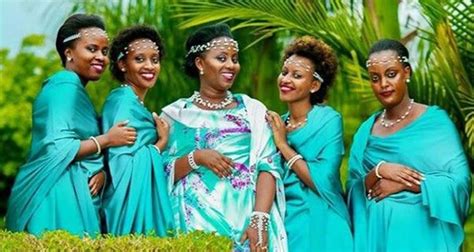
Banyankole dancers
Examples of Traditional Dances
- Ekitaguriro dance: This dance is performed by the Banyankore from Ankole land in western Uganda. It is performed by women and men, and they use it to tell stories, communicate vital cultural information, and also it's done to show the appreciation of their cows.
- Baakasiimba, Mawogola, Nankasa: It’s a traditional dance that originated from Buganda. The dance resulted from Kabaka of Buganda kingdom who was drunk of traditional ‘’omwenge’’ made from ripe bananas, when he danced because of happiness he was then joined by the people around him then later it came up as a celebratory dance among the Baganda.
- Akago dance: This is done by the Iteso people from Eastern Uganda.
- Acholi traditional dance: Acholi people have got various traditional dances for different occasions and reasons, these are found in the Northern part of Uganda speaking Luo language.
- Bwola dance: This is an exhilarating Royal dance performed by the Acholi-Luo tribe of Northern Uganda and is always performed by less than fifty participants.
- Embaga dance and Nansaka: Buganda Kingdom has a number of dances for several occasions and one of them is the Embaga dance and Nansaka that is mainly performed at weddings, Introductions as well as other important social functions.
- Dingi-dingi dance: Besides the Bwola dance of the Acholi, the Dingi-dingi dance is another dance you can enjoy from the Acholi people of Northern Uganda. This dance is always performed by odd number of dancers and a captain.
- Larakaraka dance: This is a courtship or wooing dance performed by energetic youth of the Acholi Tribe of Northern Uganda. This tribe is undoubtedly one of the most culturally rich in Northern Uganda and Uganda in general.
- Imbalu dance: This dance is also known as the Imbalu dance and is performed by the Bagishu of Mbale district in Eastern Uganda during the public circumcision Ceremonies locally known as “Imbalu”. Imbalu is a ceremony where boys are initiated into manhood.
- Mwamgu dance: This is performed by both young women and men.
- Naleyo: This is a fascinating dance performed by the Karamajong people of Eastern Uganda as a wooing dance. The dance is performed in two lines with the women on one line and the men on the other line.
- Runyege: This is a traditional dance performed by the Banyoro of western Uganda (Masindi, Hoima, Kibale and Kiryandongo districts) and is danced by women wearing rings around their waists and men having foot rattles. It is from the rattles (locally known as “Ebinyege” that the dance derived its name.
- Basoga dance: This invigorating dance is performed by the Basoga of Eastern Uganda and is danced at all occasions (functions) by both women and men.
- Entogoro: This is danced by the Batooro in western Uganda and derived its name from the pod rattles (locally referred as Ebinyege in Rutooro) that the men tie on their legs to produce a number of rhythms as they dance.
- Ekizino: This is the traditional dance for the Bakiga of Kigezi region (Switzerland of Africa) in South-western Uganda. The invigorating dance was derived from the hilly terrains of the region because men who move out for farming in the morning must jump around to get warmth and stretch their muscles after the hard work for a while.
Traditional dance in Uganda is much more than a form of entertainment; it is a deeply ingrained cultural practice that embodies the spirit and essence of the people. Dance serves as a vital medium through which cultural values, norms, and history are communicated and preserved.
It is a communal activity that fosters unity, social cohesion, and a sense of identity among the diverse ethnic groups across the country.
Read also: Belly Dancing Restaurants in Morocco
The Significance of Ugandan Dance
Ugandan dance holds immense significance in the country’s cultural identity. It serves as a means of storytelling, preserving history, and fostering a sense of community.
The significance of dance in Ugandan culture can be seen in its integration into various aspects of daily life. Whether it is celebrating a bountiful harvest, marking rites of passage such as birth, marriage, and death, or invoking blessings and protection from ancestors, dance is a central element.
These dances are often accompanied by songs and chants that narrate stories, share wisdom, and convey moral lessons, thereby ensuring that cultural knowledge is passed down through generations.
Traditional dance also serves as a powerful tool for expressing emotions and experiences. In a society where oral traditions are predominant, dance becomes a dynamic language that transcends words.
The expressive movements, intricate footwork, and synchronized rhythms of Ugandan dances allow individuals to convey joy, sorrow, love, and resilience, creating a profound and intimate connection between the performers and their audience.
Through dance, Ugandans pass down their traditions, values, and stories from one generation to another. It is a way of preserving their cultural heritage and ensuring that it remains alive and vibrant.
Ugandan dance is a powerful expression of identity, both at an individual and collective level. It allows individuals to connect with their roots, celebrate their heritage, and showcase their unique cultural identity to the world.
Dance brings people together, fostering a sense of unity and togetherness within communities. It is often performed during social gatherings, weddings, and other festive occasions, creating a joyful and inclusive atmosphere.
Banyaruguru Cultural Dance: A Vibrant Celebration of Tradition and Rhythm!
Regional Variations in Ugandan Dance Styles
Uganda’s diverse ethnic landscape has given rise to a wide array of traditional dance styles, each with its own distinct characteristics and cultural significance. These regional variations in dance styles are a testament to the country’s rich cultural diversity and the unique heritage of its people.
In the northern region of Uganda, the Acholi people’s Larakaraka dance is a prominent traditional dance that stands out for its vibrant and energetic movements. The Larakaraka dance is performed during courtship and marriage ceremonies, with young men and women showcasing their agility and grace.
The dance is accompanied by the rhythmic beats of the adungu (a traditional harp) and the opuk (a traditional drum), creating a lively and captivating performance that celebrates love and unity.
In the eastern region, the Gisu people’s Imbalu dance is a significant traditional dance that is performed during the circumcision ceremonies of young boys. The Imbalu dance is a rite of passage that marks the transition from boyhood to manhood. The dance is characterized by its vigorous and rhythmic movements, with dancers stamping their feet and swaying their bodies to the beats of traditional drums.
The Imbalu dance is a powerful expression of bravery, strength, and cultural identity.
In the western region, the Banyankole people’s Ekitaguriro dance is a traditional dance that is performed during important cultural ceremonies and social gatherings. The Ekitaguriro dance is known for its graceful and synchronized movements, with dancers forming intricate patterns and shapes.
The dance is accompanied by traditional musical instruments such as the endigidi (a one-stringed fiddle) and the engoma (a traditional drum), creating a harmonious and enchanting performance that celebrates the cultural heritage of the Banyankole people.
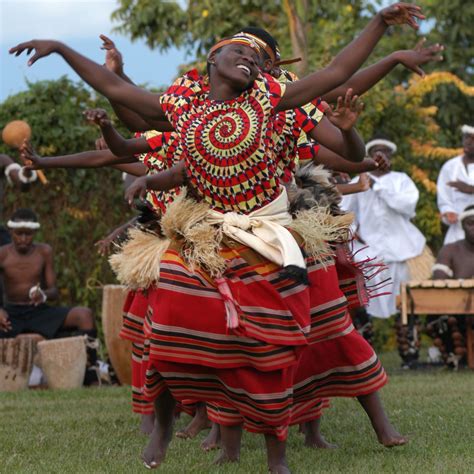
Ugandan dancers
The Role of Music and Instruments in Traditional Dance
Music and musical instruments play a pivotal role in traditional Ugandan dances, providing the rhythmic foundation and enhancing the overall performance. The harmonious blend of melodies, rhythms, and beats creates an immersive experience that captivates both the performers and the audience.
Traditional Ugandan dances are often accompanied by a variety of musical instruments, each contributing to the unique sound and rhythm of the performance. The drum, known as “engoma” in many local languages, is a central instrument in Ugandan music.
Different types of drums, such as the royal drums of the Baganda and the long drums of the Acholi, are used to produce distinct rhythms that drive the dance movements. The drum’s deep, resonant beats create a powerful and dynamic auditory experience that is integral to the dance.
Other traditional instruments, such as the adungu (a bow harp), the endingidi (a tube fiddle), and the amadinda (a xylophone), add melodic and harmonic layers to the music. The adungu’s plucked strings produce a melodic resonance that complements the rhythmic patterns of the drums.
The endingidi’s single string, played with a bow, creates a haunting and soulful sound that enhances the emotional depth of the dance. The amadinda, with its wooden bars struck by mallets, adds a percussive and rhythmic texture that enriches the overall musical composition.
Vocals also play a significant role in traditional Ugandan dances. Songs and chants, often performed in call-and-response patterns, are an integral part of the dance. The lyrics of these songs tell stories, convey messages, and express the emotions and experiences of the community.
The singers’ voices blend with the instruments, creating a rich and layered soundscape that enhances the dance’s visual and emotional impact.
Traditional Dance as a Means of Storytelling
Traditional dance in Uganda is not just a form of artistic expression; it is also a powerful means of storytelling. Through intricate movements, gestures, and expressions, dancers convey stories, legends, and historical events that are deeply rooted in the cultural heritage of their communities.
Each traditional dance in Uganda has its own unique narrative, often reflecting the values, beliefs, and experiences of the people. The dances serve as a living archive of cultural knowledge, preserving the history and traditions of the community and passing them down through generations.
The storytelling aspect of dance allows the audience to connect with their heritage, gaining a deeper understanding of their identity and cultural roots.
For example, the Bagisu people’s Kadodi dance tells the story of the Imbalu circumcision ritual, a rite of passage for young boys. The dance movements and gestures symbolize the bravery, strength, and transformation that the boys undergo during the ceremony.
The Kadodi dance is a powerful narrative that captures the essence of the community’s cultural identity and the significance of the Imbalu ritual.
Similarly, the Banyoro people’s Runyege dance recounts the historical events and legends of the Bunyoro kingdom. The dance movements and choreography depict scenes from the kingdom’s history, such as battles, royal ceremonies, and the daily life of the people.
The Runyege dance is a vivid and dynamic storytelling medium that brings the history and traditions of the Banyoro people to life.
Traditional dances also serve as a means of conveying moral lessons and cultural values. Through symbolic movements and gestures, dancers communicate messages about respect, unity, resilience, and the importance of community.
These dances are not only a form of entertainment but also a way to educate and inspire the audience, reinforcing the cultural values and principles that guide their lives.
Festivals and Events Celebrating Ugandan Dance
Uganda’s vibrant traditional dances are celebrated and showcased through various festivals and events held throughout the year. These celebrations provide a platform for communities to come together, share their cultural heritage, and promote the richness and diversity of Ugandan dance.
One of the most prominent festivals celebrating traditional dance in Uganda is the Kiganda Cultural Festival. Held annually in the Buganda region, this festival is a grand celebration of the Baganda people’s cultural heritage.
The festival features performances of traditional dances such as the Nankasa, the Bakisimba, and the Muwogola, each showcasing the unique rhythms, movements, and costumes of the Baganda people. The Kiganda Cultural Festival is a vibrant and colorful event that attracts thousands of participants and spectators, fostering a sense of pride and unity among the Baganda community.
Another significant event is the Acholi Cultural Festival, held in the northern region of Uganda. This festival celebrates the rich cultural heritage of the Acholi people, with a focus on traditional dances such as the Larakaraka and the Bwola.
The festival features dance competitions, music performances, and cultural exhibitions, providing a platform for the Acholi community to showcase their artistic talents and cultural traditions. The Acholi Cultural Festival is a lively and dynamic event that brings together people from different regions and backgrounds, promoting cultural exchange and mutual appreciation.
Popular articles:
tags: #Uganda
