The Dakhla Oasis, also known as Dakhleh Oasis or the “Inner Oasis,” is a stunning natural attraction nestled in the Western Desert of Egypt. It is one of the seven well-known oases in the country, offering a unique glimpse into ancient monuments, artifacts, and the rich Bedouin culture. Located in the New Valley Governorate, Dakhla Oasis is approximately 350 km (220 mi) from the Nile River, between the oases of Kharga and Farafra.
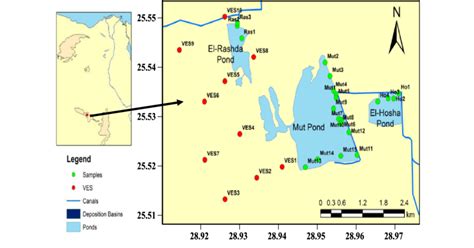
Location of Dakhla Oasis
This oasis stretches 80 km (50 mi) from east to west and 25 km (16 mi) from north to south, encompassing an area of 2,000 km². The region is dotted with about 16 villages, with Mut being the most significant.
A Glimpse into History
The earliest recorded evidence related to the Dakhla Oasis dates back to approximately 2550 BC, during the Pharaonic period in Egypt. However, detailed information from this era remains limited. It is believed that beneath the town of Al-Qasr, remnants of a Roman settlement may lie hidden.
Exploring the Oasis: Villages and Attractions
Dakhla Oasis is home to several unique and interesting sites. If you want to truly experience the culture of the area, choose to go on a tour with one of the local guides. You will find all sorts of unique and interesting sites including madrassas, mosques, mud brick homes, and forges.
Read also: Your Guide to Dakhla
Here's a closer look at some key villages and attractions:
- Mut: The largest and most important village within the oasis. In the southeast of Mut is a badly preserved Roman settlement called Mut El-Kharab.
- Al-Qasr: About 20 km north of Mut, this village boasts a number of majestic ancient monuments. In the center of Al-Qasr, you will find a market where local farmers sell everything from basketry to foods to straw hats. An extensive old town, where an Islamic fortress has been built over a Roman fortress. The minaret of the Nasr ed-Din Mosque is 12th C, though the rest of the building is 19th. Continue through the higgledy-piggledy streets to the Council Chamber, with an impressive entrance. The Madrasa may at one time have been part of a palace. There is a small ethnographic museum in an Ottoman house (LE5) and another old mosque in the Shihabiya district of town. At the edge of town is a cemetery with several notable tombs.
- Bashindi: Situated 40 km east of Mut, this village features a necropolis dating back to the Roman period. 40 km east of Mut is the village of Bashindi, which features a necropolis dating the Roman period and contains paintings showcasing perfect pharaonic style and Islamic mausoleum from the 11th and 12th centuries. By the village is the extensive Roman tomb of Kitines, circa 1st C AD. It's flanked by the tomb of Sheikh Bashandi.
- Balat: Located northeast of Bashindi, Balat is renowned for its historical and architectural significance dating back between 2289 BC and 2152 BC. It is famous for being an important historical and architectural attraction as the village is famous for being the site of two of the most famous archeological sites in Egypt's Western Desert: the Qila El Dabba Necropolis and Ain Asil, the capital of the Oases in the Old Kingdom of ancient Egypt.
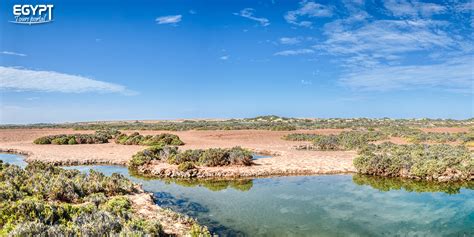
Dakhla Oasis, Egypt
Other Sites of Interest:
- Deir Abu Matta (19 km north of Mut). The remains of a monastery basilica.
- Qarat el Muzawaqa (43 km from Mut). Graeco-Roman graveyard with hundreds of tombs tunnelled into the cliffs. The most notable are those of Petubastis (1st C AD) and Petosiris (2nd C). Both are richly decorated with scenes of funerary gods and rituals, zodiacs, and the deceased being judged on his life.
- Deir el Hagar (43 km from Mut). A sandstone Roman temple to the Theban gods Amun-Re, Mut and Chons. It's elaborately carved with ritual scenes, especially within the sanctuary.
- Amheida (22 km from Ed Duhus). A large former Roman settlement. The main buildings are the Temple of Thoth, and the house of Serenus, which is being reconstructed. Nearby is the tomb of Sheikh ed Dahawi.
- Deir el Malak (8 km east of Mut and just west of El Ma'sara). The ruin of a church/monastery from the 16th / 17th C.
- Ayn el Gadida and the tomb of Sheikh Abuda ('Ain el-Gedida) (nearby Ismant). An archaeological and a tomb.
- Ismant el Kharab (Kellis) (14 km from Mut). It was known in antiquity as Kellis. It is centred on the Temple of Tutu and associated graves and shrines. The early Christian site of Ayn Sabil is 2 km west.
- Ain Asil (35 km from Mut). It has several notable tombs. One group is at Qila ed Ḍabba, with Mastaba tombs, the best being that of Shentiqa (6th Dynasty circa 2200 BC). A little south is the grave of Betjou and Ideki (from 10th Dynasty circa 2100 BC), which has been relocated as it was being damaged by groundwater. The tombs were extensive and stacked with funerary goods. Although there are images of deities, many show domestic life, with the family round the table and the dog lolling beneath.
- El Bashandi (43 km from Mut). By the village is the extensive Roman tomb of Kitines, circa 1st C AD. It's flanked by the tomb of Sheikh Bashandi.
Accommodation Options
Dakhla Oasis offers a range of accommodation options to suit various budgets and preferences.
- Shanda Lodge Desert Resort: Ideal for families, this resort offers comfortable amenities, several pools, kids' clubs, and a variety of restaurants.
- Mebarez Hotel: A budget-friendly option providing comfortable accommodations and amenities, including a pool, restaurant, and spa.
- Budget-Friendly Desert Lodges: These three-star lodges cater to budget-minded travelers seeking comfortable accommodations and amenities like a pool, restaurant, and spa.
- Bedouin Campsites: For an authentic experience, consider staying at one of the campsites in the oasis, where you can sleep under the stars and learn about traditional Bedouin life.
Siwa Oasis A Journey Through Egypt's Hidden Paradise
Getting Around
Dakhla is best reached by taking an overnight train from Cairo, which drops you off at the edge of the oasis early in the morning. There are buses that leave from Mut and allow you to get to surrounding areas. The bus from Cairo to Mut takes about 10 hours of travel time, including a few different stops. The bus to Farafra takes about 4.5 hours and the bus from Bahariya takes about 7 hours. You can also take taxies from Farafra if you do not mind paying the extra fare. The oasis is quite spread out, so your best bet for getting around is to hire a private driver or join a tour.
Upper Egypt Bus Co. runs daily buses from Asyut, which is on the Cairo-Luxor main road and railway line. Getting here direct from Cairo, Luxor or northern oases, you will probably need a taxi. There are 4 or 5 buses per day from Mut to Balat at the east edge of the oasis, and to Qasr at the north edge.
Read also: Detailed Review: Oasis Hotel Apartment
Additional Information: There is another town called Mut in the oasis, and information about the surrounding area can be found here at a tourist office that is open from eight in the morning to three in the afternoon.
Activities and Things to Do
Dakhla Oasis offers numerous activities for adventurous travelers and history enthusiasts alike:
- Visit the ancient sites: Explore the temple of Amun-Re at Mut al-Kabbasha and the temple of Seti I at Ain el-Gabal.
- Hike or camp in the desert: Enjoy the stunning desert landscape around Dakhla Oasis.
- Visit a traditional oasis village: Experience authentic Egyptian culture in villages like El-Maghara and El-Qasr.
- Safari, Quad biking and hiking.
Climate
Like the other western oases, the climate is hot desert, 40°C and above summer and 5-10°C in winter. It is suggested to visit Dakhla in the winter because the climate in Dakhla is extremely hot and dry, with daytime highs frequently exceeding 40 degrees Celsius.
Dakhla Oasis Project
Dakhla Oasis Project has since 1978 directed archaeological research in this region. The DOP studies the interaction between environmental changes and human activity in the Dakhleh Oasis. The excavations at Ismant el-Kharab (ancient Kellis), Mut el-Kharab (ancient Mothis), Deir Abu Metta and Muzawwaqa were undertaken with the cooperation of Monash University.
In 1985, the Petroglyph Unit of the Dakhleh Oasis Project was created by Lech Krzyżaniak, then director of the Archaeological Museum in Poznań, under the auspices of the Polish Centre of Mediterranean Archaeology University of Warsaw.
Read also: Oases of Egypt
The Dakhleh Trust was formed in 1999 and is a registered charity in Britain. Its declared aim is to advance understanding of the history of the environment and cultural evolution throughout the Quaternary period in the eastern Sahara, and particularly in the Dakhla Oasis.
Dakhla Oasis is a remote little tourist hotspot in Egypt that not many people know about. However, those who do make the effort to visit are rewarded with stunning landscapes, friendly locals, and plenty of opportunities to relax and enjoy the quiet life. El-Waha, Mut, El-Gharbia Governorate, Kharga Oasis, and the New Valley Governorate (the region's capital) are just a few of the countless villages and towns that can be found in Dakhla Oasis.
Popular articles:
tags: #Egypt
