If you’re planning to build, renovate, or invest in real estate, one of the first questions you’ll likely ask is “How much is a bag of cement in Nigeria?” Cement is the backbone of construction, and knowing the current price helps you plan your budget effectively.
Cement price as it stands in Nigeria today can be seen as a dynamic which is influenced by a multitude of factors, and as such making a single, definitive price elusive. However, determining the exact, nationwide price of Dangote Cement in Nigeria today can be seen as a difficult task without access to current data from numerous retailers and distributors across the country as prices fluctuate within periods of time.
Straight to the point - as of today, you're generally looking at paying somewhere between ₦5,000 to ₦6,000 per bag of Dangote Cement. Keep in mind though, that price tag can wiggle around a bit depending on where you are in Nigeria and who you're buying from. Want to know more about why the price is what it is and how to make sure you're getting a good deal? Let's break it down!
Okay, so we've dropped the average price bomb, but there's always more to the story, isn't there? Knowing the price of cement isn’t just about random numbers; it actually touches on a lot of things, especially if you're planning a building project or just curious about the economy. Let's unpack this cement situation a bit more.
In recent years, Nigeria has experienced a significant increase in the price of cement, a crucial building material for infrastructure development and construction projects. This surge in cement prices has sparked concerns among stakeholders across various sectors, prompting a closer examination of the factors driving the hike and exploring potential solutions to mitigate its adverse effects.
Read also: Nigerian Cement Market
In 2025, Nigeria’s cement prices have remained a hot topic, driven by factors like inflation, transportation costs, fuel prices, and demand in the construction sector. Prices may vary slightly depending on your city. Experts predict that cement prices may remain high through 2025 due to persistent inflation, rising energy costs, and continuous housing demand.
In 2025, the cost of a bag of cement in Nigeria is between ₦8,500 and ₦10,500, depending on the brand and your location. If you’re planning any construction, it’s wise to stay updated on market prices, buy strategically, and plan your budget carefully.
Always remember, when building, the cheapest cement isn’t always the best.
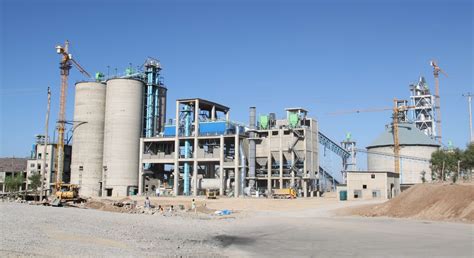
Decoding the Cement Cost: Why Does the Price of Dangote Cement Fluctuate?
You might be thinking, "Cement is cement, why can't the price just stay the same?" Good question! It turns out a bunch of different things can make that price tag on your Dangote Cement bag go up and down. Let's look at some of the big players in this price game.
Factors Influencing Dangote Cement Prices in Nigeria:
Several factors contribute to the fluctuating price of Dangote Cement in Nigeria. These include factors include the following:
Read also: History of Moroccan Tiles
- Production Costs: The cost of raw materials (limestone, clay, gypsum), energy (electricity, fuel), and transportation of the product significantly impacts production costs in a massive way. The global fluctuation of commodity prices directly affects the price of Dangote cement in Nigeria. However, increased fuel costs translate to higher transportation expenses covered and, consequently, higher cement prices.
- Government Policies and Regulations: Government imposed taxes, levies, and import duties affect the final price consumers pay greatly. However, the changes in government regulations concerning Dangote cement production and distribution across the country can also cause price fluctuations as well.
- Competition: As Dangote Cement has a dominant market share in Nigeria, competition from other cement manufacturers like BUA Cement, Lafarge Africa also in a way influences prices. Increased competition in prices most times leads to price wars, and as such benefiting consumers who are the end users of the product.
- Currency Fluctuations: Dangote Cement in Nigeria is primarily considered to be a domestic producer. Its fluctuations in the exchange rate of the Nigerian Naira against foreign currencies can still impact prices greatly, especially if there are massive imported components in the production process of the product.
- Market Demand and Supply: The level of demand for Dangote cement in Nigeria, most especially during periods of intense construction activity in the country, plays a vital role. However, high demand for the product can push prices upward. Conversely, low demand can lead to price reductions or discounts respectively. Seasonal variations in construction activities also influence demand and subsequently pricing of the product as well.
Production Costs: Making Cement Isn't Cheap
Think about what goes into making cement. You need raw materials like limestone, fuel to power those massive factories, and people to run everything. If the cost of any of these things goes up - like fuel prices increasing, for example - then it’s likely to nudge the price of cement upwards too.
Demand and Supply: The Classic Balancing Act
It's like anything else, really. If suddenly everyone and their dog decides to start building houses all at once, the demand for cement shoots up! If the supply can't keep pace, guess what? Prices tend to climb. On the flip side, if demand dips, you might see prices ease off a bit.
Location, Location, Location: Where You Buy Matters
Read also: Cost of POP Cement in Ghana
Just like buying groceries or petrol, where you are in Nigeria can seriously affect the price of cement. Getting cement to more remote areas costs more in transportation. So, if you're buying cement in a village far from a major city, you’re probably going to pay a bit more than someone in a bustling urban center.
Economic Factors: The Bigger Picture
The overall health of the Nigerian economy plays a role too. Things like inflation (when the general price of goods and services goes up) can impact cement prices. Also, government policies and import/export situations can have an effect. It’s all connected!
However, a reasonable estimate for a 50kg bag of Dangote Cement in Nigeria on 02/03/2025 might range from:
- Lower End: ₦6,500 - ₦7,000 (This price is mostly found in areas with high competition or during periods of low demand in the market. This could also reflect bulk purchases or special offers as well.)
- Mid-Range: ₦7,000 - ₦8,500 (This is a likely price range for many locations across the country, it also reflects average market conditions.)
- Higher End: ₦8,500 - ₦9,500 (This price range is more likely in remote areas, during periods of high demand, or from retailers with higher markups respectively.)
To grasp the gravity of the situation, let’s examine some statistics regarding cement prices in Nigeria. In previous years, the average price of a 50kg bag of cement ranged from ₦3,500 to ₦4,500. However, recent reports indicate that prices have surged to as high as ₦9,000 to ₦12,000 per bag, representing a substantial increase. This escalation has raised alarms within the construction industry and among consumers alike.
The surge in cement prices has reverberated across various sectors, leading to several adverse effects, such as directly contributing to elevated construction costs, impacting both public infrastructure projects and private development initiatives, posing affordability challenges for individuals and businesses involved in construction activities, which can deter investments in housing, commercial buildings, and other essential infrastructure, exacerbating Nigeria’s already pressing housing deficit.
Finding the Real Price: How to Get the Most Accurate Dangote Cement Price
So, you know the general range, but how do you get the exact price for your area, today? Here are a few tips to become a cement price pro:
- Local Retailers Are Your Best Bet
Honestly, the quickest and most reliable way to find out the current price is to just call or visit your local building materials retailers. These are the guys selling directly to builders and individuals in your area, so they'll have the most up-to-date prices. Try calling a few different stores to compare! - Check Online Marketplaces (with Caution)
There are online marketplaces where you might see cement prices listed. These can give you a rough idea, but always double-check with local sellers before making any decisions. Online prices might not always reflect the actual price you’ll find in your neighborhood store, and you'll need to factor in delivery costs too. - Ask Fellow Builders or Contractors
If you know anyone who’s in the building or construction game, they’re likely to have their finger on the pulse of cement prices. Don't be shy to ask them! They might have insider knowledge on where to get the best deals.
Where to Buy Dangote Cement In Nigeria
There is no specific place or location to buy Dangote Cement in Nigeria. However, it is more preferable to purchase directly from the dealers across the country. Dangote Cement dealers are located in major cities and towns throughout the country. The Dangote Cement price in Nigeria sometimes is not the same pending where you buy it from. It's best advisable to visit a dealer nearby where you plan to build because you can select a bag that is easy to lift into your plan, and you can inspect the bag to make sure it has not torn or been tampered with. Automatically this will help to ensure that you are getting a quality product from the seller.
Tips to Get the Best Price on Dangote Cement In Nigeria
Having the full knowledge of the types of cement in Nigeria and their uses respectively can help you buy the right type of cement for your project. Nevertheless, always compare the Dangote Cement price in Nigeria against other prices to determine if you are getting a good deal. Make thorough inspection of the bag in case of tears and signs of tampering before you pay for it. Remember, it is more preferable to buy in bulk to get a better deal. Always buy Dangote Cement from a reputable dealer near your area where you plan to build.
How Price Of Limestone Affects Prices Of Cement In Nigeria - Analyst
Is Dangote Cement Worth the Price? Quality and Considerations
Okay, price is important, but so is what you're actually getting for your money. Dangote Cement is a pretty big name in Nigeria, and there's a reason for that. They're known for generally being a good quality cement.
While there might be cheaper cement options out there, many people prefer Dangote because they trust the brand for strength and reliability in their construction projects. Think of it like choosing between a really cheap phone and a slightly more expensive one that you know will last and work well - sometimes paying a bit extra for quality is worth it in the long run, especially when you're building something important!
Perspectives on Addressing Cement Price Hike
To address the challenges posed by the hike in cement prices, it is imperative to consider diverse perspectives from various stakeholders within the construction sector. Here are perspectives from three individuals actively engaged in the industry:
- Efe Ufuoma: The housing deficit in Nigeria stands at a staggering 28 million units as of 2023, with an estimated investment of 21 trillion Naira required to address this shortfall. Given the current state of the economy, the conventional construction methods in Nigeria are becoming increasingly unsustainable, at such we need to start looking inwards at readily available, more sustainable and more affordable building materials to bridge this housing deficit. Nigeria’s construction industry has become overly reliant on cement, which is used extensively in various building processes such as casting, block molding, and tiling. In contrast, many other parts of the world utilize a diverse range of materials like wood finishes, wooden floors, and rammed earth houses, reducing their dependency on cement. We need to have reduced demand for cement to reduce the price increase and this can be achieved by diversifying the materials used in construction and promoting alternative building methods that are both sustainable and cost-effective.
- Chinedu Osonwa: To address the price hike, we can focus on enhancing local production, reducing importation, and investing in modern technology and infrastructure within the cement industry. Promoting competition among cement producers fosters fair pricing and quality standards. Additionally, supporting alternative building materials, engaging stakeholders through consultative forums, and ensuring price stability in a conducive environment are key strategies.
- John Adeokhor: There’s need to create an alternative for cement to curb the continuous increase in cement prices. Umahi spoke in Abuja during a meeting with representatives of the two firms - MTN and RCC. Minister of State for Works, Mohammad Bello Goronyo and the Permanent Secretary in the ministry, Mr. O.O. Umahi said: “I’m happy that the policies of Mr. President are working. Today, a dollar is about N,400. At the time the dollar was almost N2,000, cement prices rose from N7,500. We are requesting cement manufacturers to bring down the cost of cement to N7,000. If after one week they don’t do that, I will have to complain officially to Mr. There will be no variation or VOP on the project. And RCC must note that going forward, the operation of VOP in their projects must be in accordance with the procedure contained in the Conditions of Contract and not at the whims and caprices of the contractor. There must be a written commitment between MTN and the Federal Ministry of Works to adhere to these conditions. We have to put the records straight that this ministry has the responsibility to ensure quality delivery of work by contractors. Elaborating on his site inspections and issues identified, he said: “We went through what MTN was doing. I’m an engineer, not a history graduate.
Frequently Asked Questions (FAQ) About Dangote Cement Prices
Q: Is the price of Dangote Cement the same all over Nigeria?
A: Nope! Prices vary depending on location, transportation costs, and local market conditions. Prices tend to be higher in more remote areas.
Q: Why does the price of cement change so often?
A: Several factors cause price fluctuations, including production costs (fuel, raw materials), demand and supply, economic conditions (inflation), and even seasonal factors.
Q: Where can I find the cheapest Dangote Cement?
A: There's no single "cheapest" place, as prices are constantly changing and vary regionally. Your best bet is to compare prices at local retailers in your area to find the best deal near you.
Q: Are Dangote Cement prices going to go up or down soon?
A: Predicting future prices is tricky! Keep an eye on economic news, fuel prices, and general construction activity in your area. Usually, if fuel prices are stable and demand isn't surging, prices might remain relatively steady.
Q: Is it better to buy cement in bulk to get a lower price?
A: Sometimes, yes! If you're undertaking a large project, buying in bulk from a major distributor might get you a slightly better per-bag price. However, factor in storage costs and whether you have the space to store a large quantity of cement properly. For smaller projects, buying from local retailers as needed is usually more practical.
Cement Market Analysis in Nigeria (2022)
Here's a summary of the cement market analysis in Nigeria for 2022:
- Cement Export Price (FOB): Average price of $74 per ton, a decrease of 14.1% from the previous year.
- Cement Import Price (CIF): Average price of $110 per ton, a slight increase of 4% from the previous year.
- Cement Exports: Skyrocketed to 1.1 million tons, a 61% increase compared to the previous year, valued at $80 million.
- Cement Imports: Decreased to 117K tons, a 4% decline from the previous year, valued at $13 million.
- Top Export Markets: Niger (725.1K tons) and Togo (367.1K tons).
Key factors influencing cement prices in Nigeria include raw material costs, energy prices, transportation expenses, government policies, market competition, and currency fluctuations. Staying informed about these factors is crucial for effective budgeting and project planning in the construction sector.
The prices below are current prices in Lagos, Owerri, Ibadan, Abuja, Port Harcourt, Kaduna, Kano etc. Supply and demand, cost of production, transportation cost, and government policies are a few of the major factors that determine the price of cement in Nigeria. For instance in Abuja and Lagos, the prices can jump up to as high as ₦13,000 per bag.
Various locations and distributors determine the price of BUA Cement in Nigeria. Transportation costs, market factors, and regional differences are among the controlling factors speculated for this price differentiation. BUA Cement is rated high because of its durability and quality, and hence, it is widely used in residential as well as in commercial projects. As of February 2025, top cement brands such as Dangote, Lafarge, BUA, and Ibeto offer bulk qualities at slightly lower prices than what you get when you buy from retail stores. Factors to consider include transportation, location, and dealer discounts. It is best to know that wholesale purchases are ideal for contractors and distributors aiming to save on cost.
The price of cement in Nigeria is determined by its raw materials, energy, and transport costs involved in the production of cement. When fuel prices rise and rural infrastructure deteriorates, the cost of transporting cement from factories to distribution centers or retail outlets becomes higher than normal. Import tariffs, taxes, and regulatory policies increase or stabilize the prices of cement. Import tariffs encourage local production, thus preventing reliance on imports.
Popular articles:
tags: #Nigeria
